Zealandia

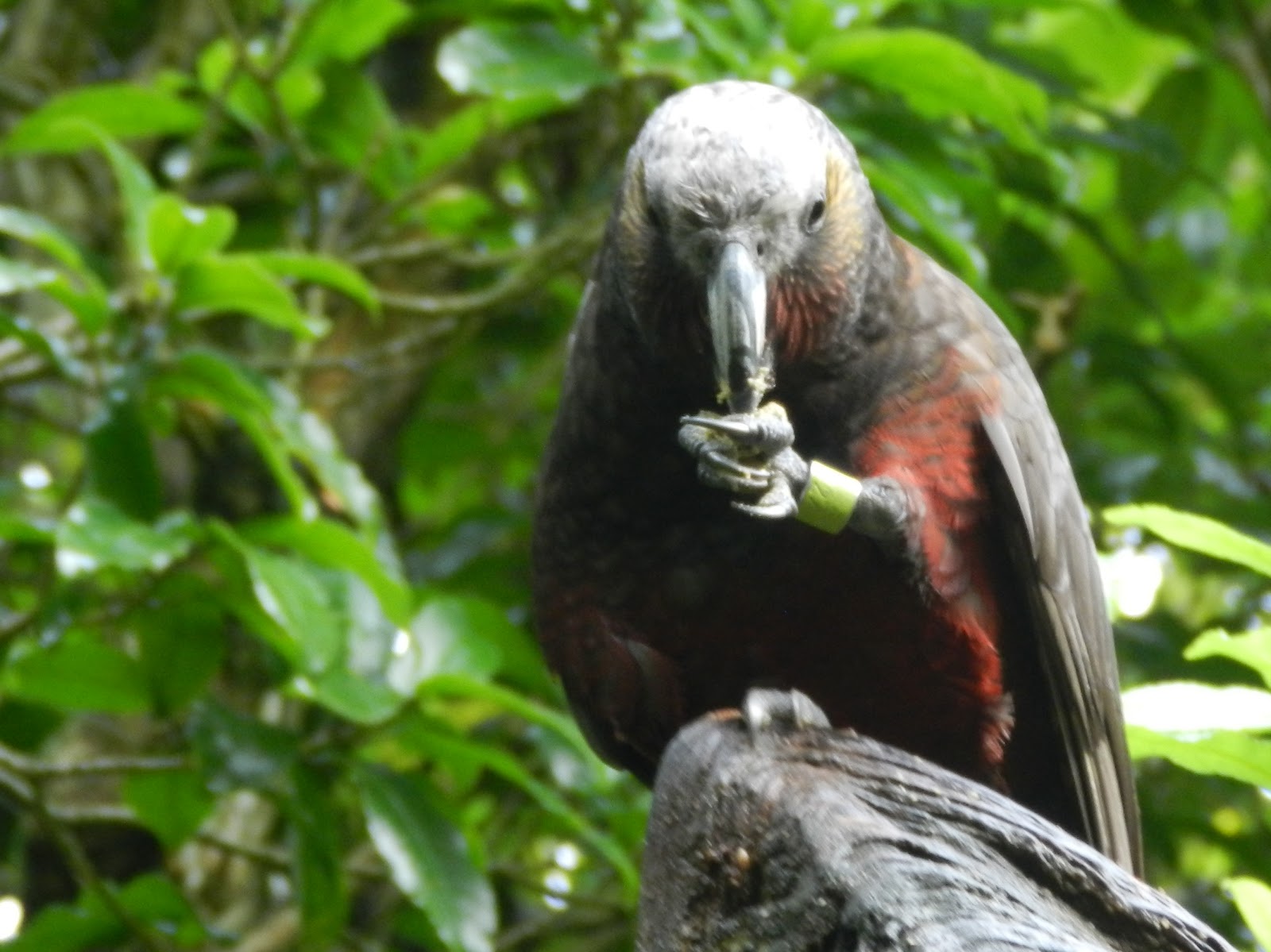
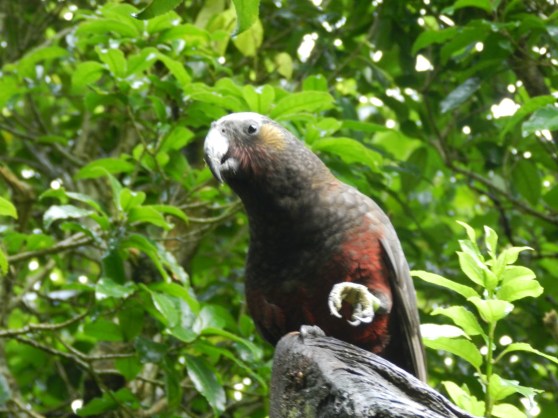
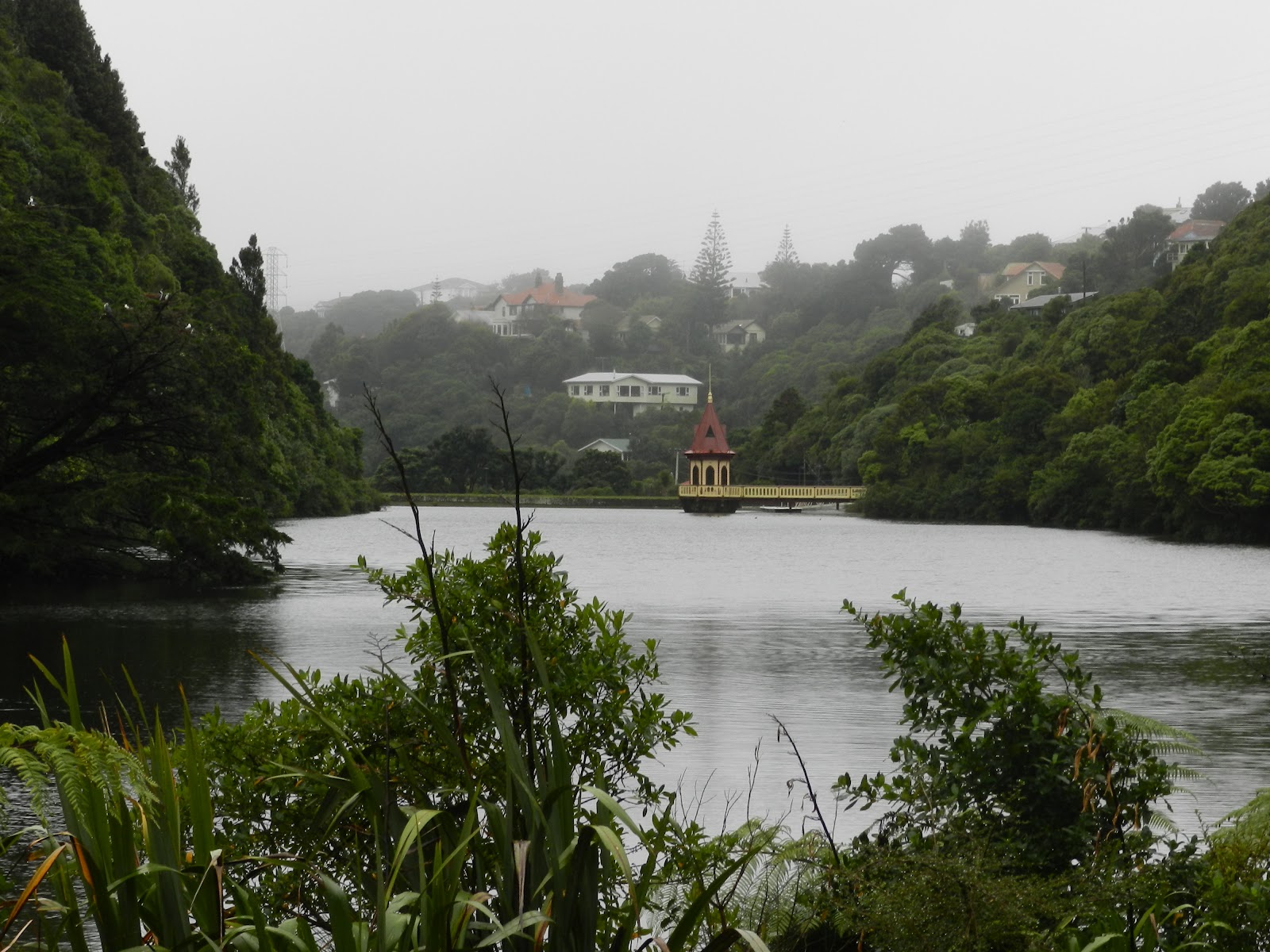
Zealandia is a natural species habitat in Wellington. It is fenced in and all the non-native species have been trapped and removed. Native species, such as Takahe and Kaka have been introduced and are doing quite well. In fact, I read a newspaper article that the Kaka are doing so well that locals have complained that they are flying out of the preserve and eating up the fruit trees in people’s backyards!

Zealandia

Zealandia

Kaka feeding

Zealandia

Zealandia

Zealandia

Takahe on the move

Zealandia

Close-up of a Shag (what we call a Cormorant in the US)

Zealandia

Zealandia

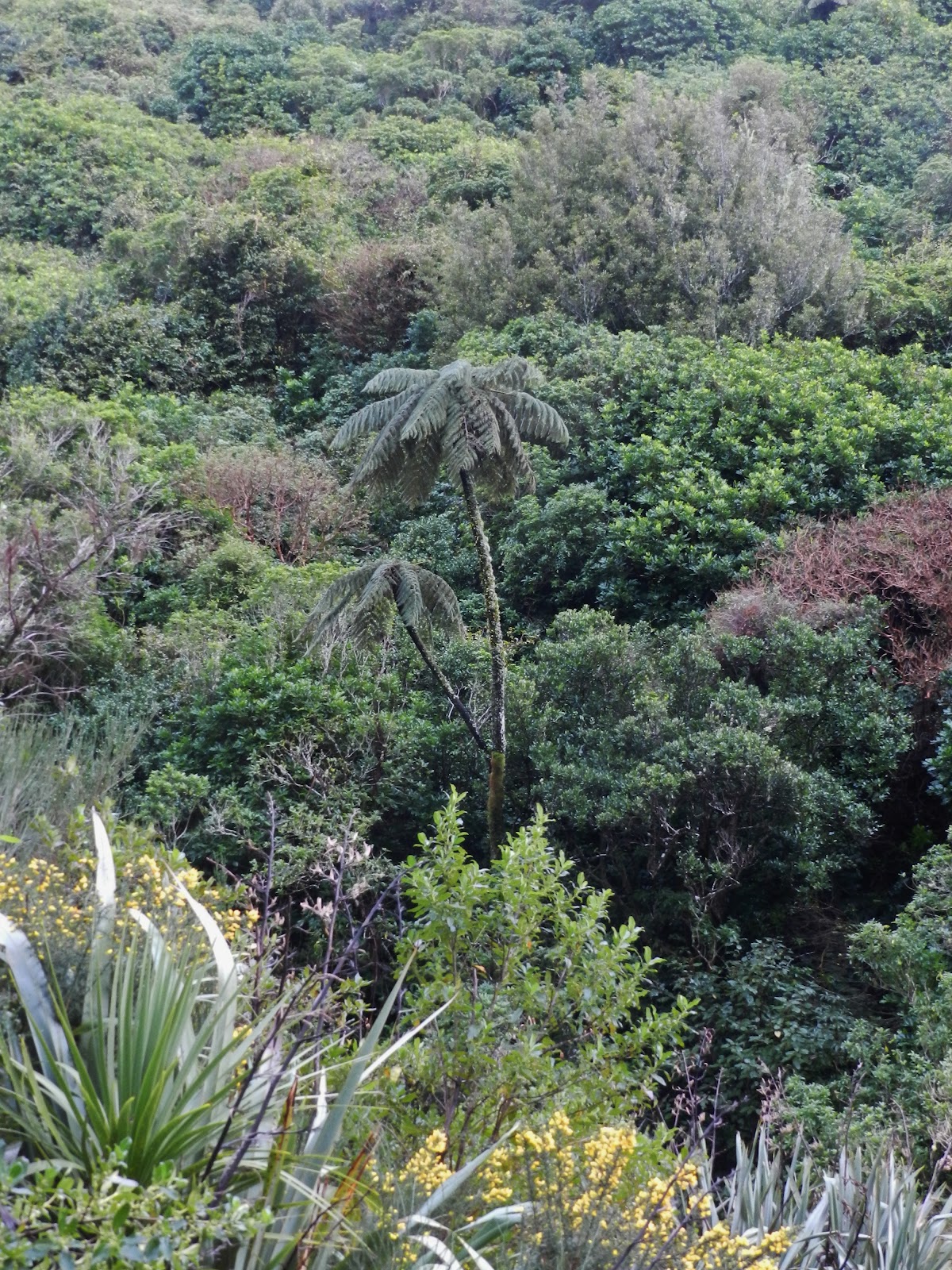
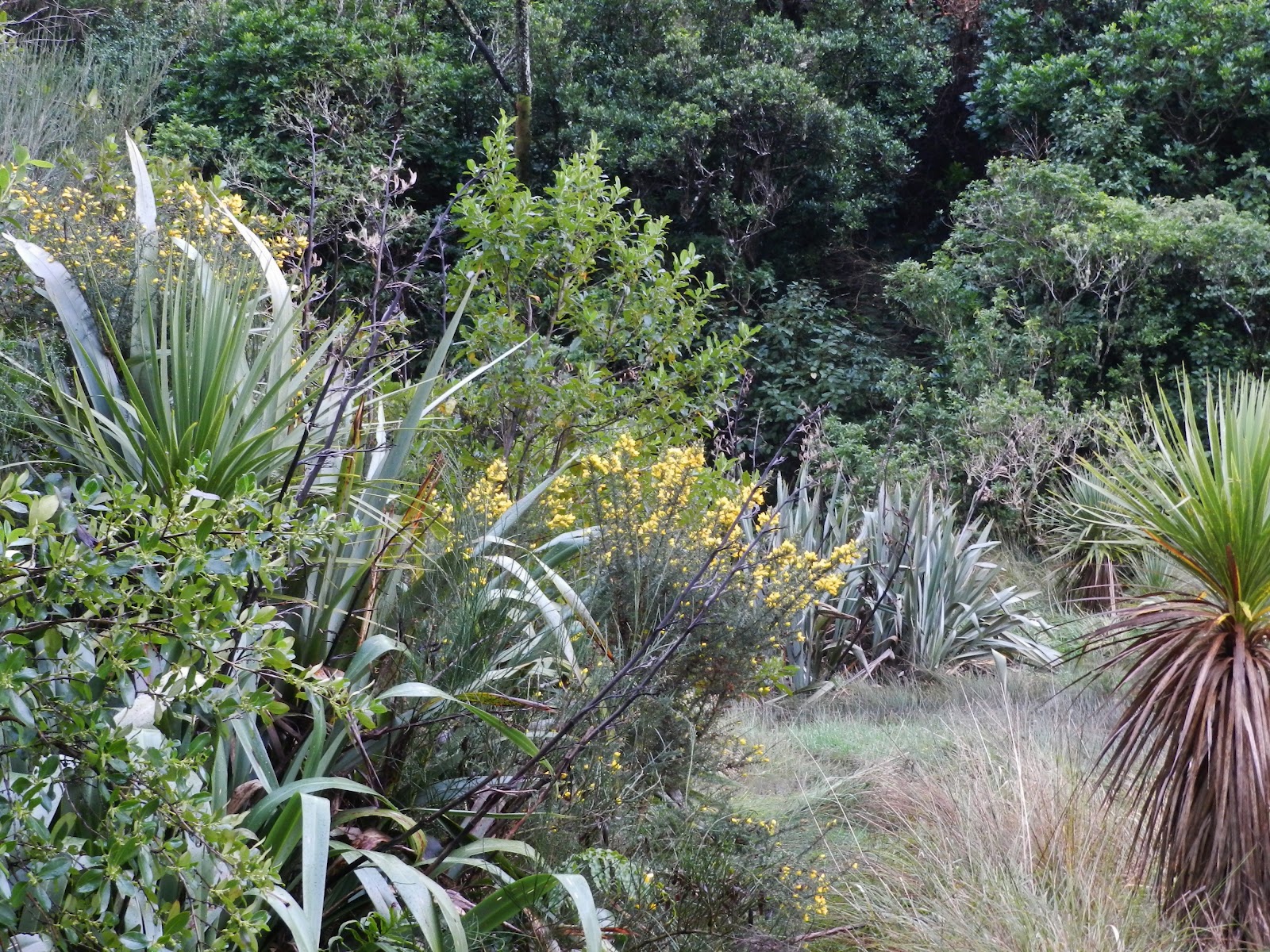
Native bush

Zealandia

It was very rainy in Wellington when we were there, but there was a brief reprieve while we were at Zealandia.

Whale & Dolphin Watching in Auckland

Whale & Dolphin Watching in Auckland

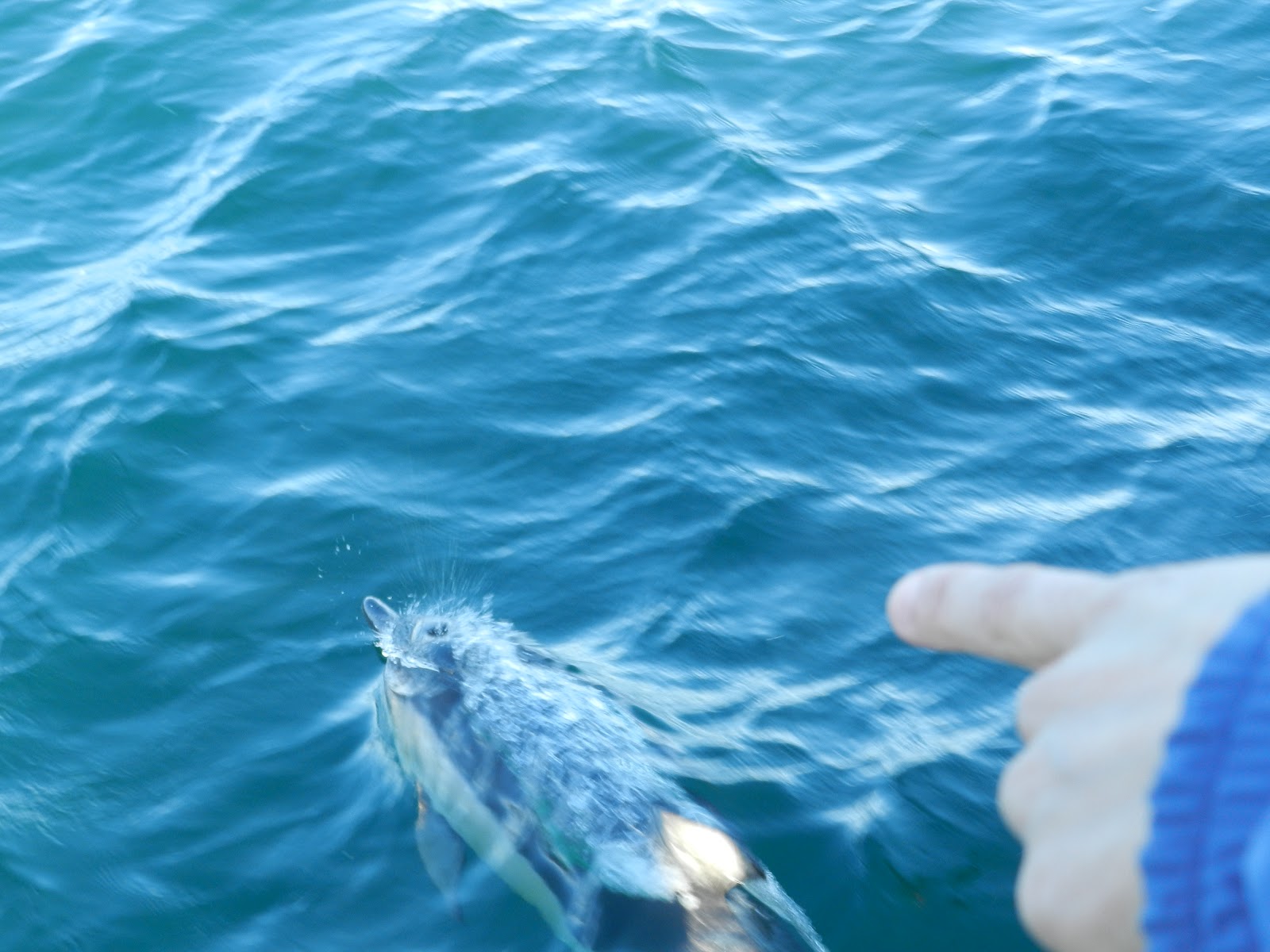
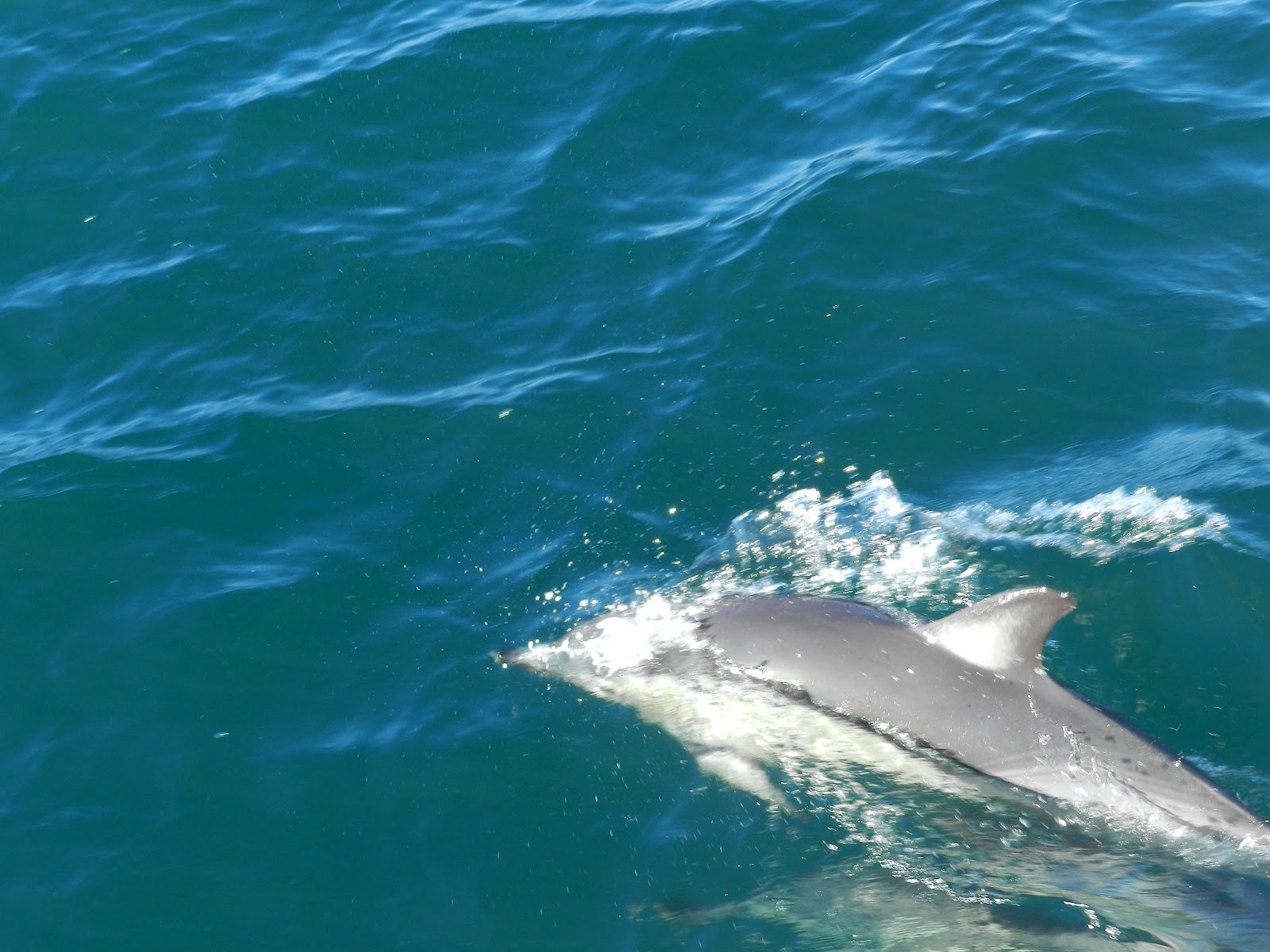
We went on a Whale & Dolphin tour right out of Auckland’s Waitemata Harbour and saw Bryde’s Whales and dolphins on a beautiful day. I always love going on this trip as it provides a natural counter-balance to the urban environment of the city. Just a 4-5 hour round trip out into the harbour from downtown into such a different world!

Whale & Dolphin Watching in Auckland

Whale & Dolphin Watching in Auckland

Whale & Dolphin Watching in Auckland

Whale Watching in Nova Scotia

Whale Watching in Nova Scotia
 
 
Whale Watching in Nova Scotia

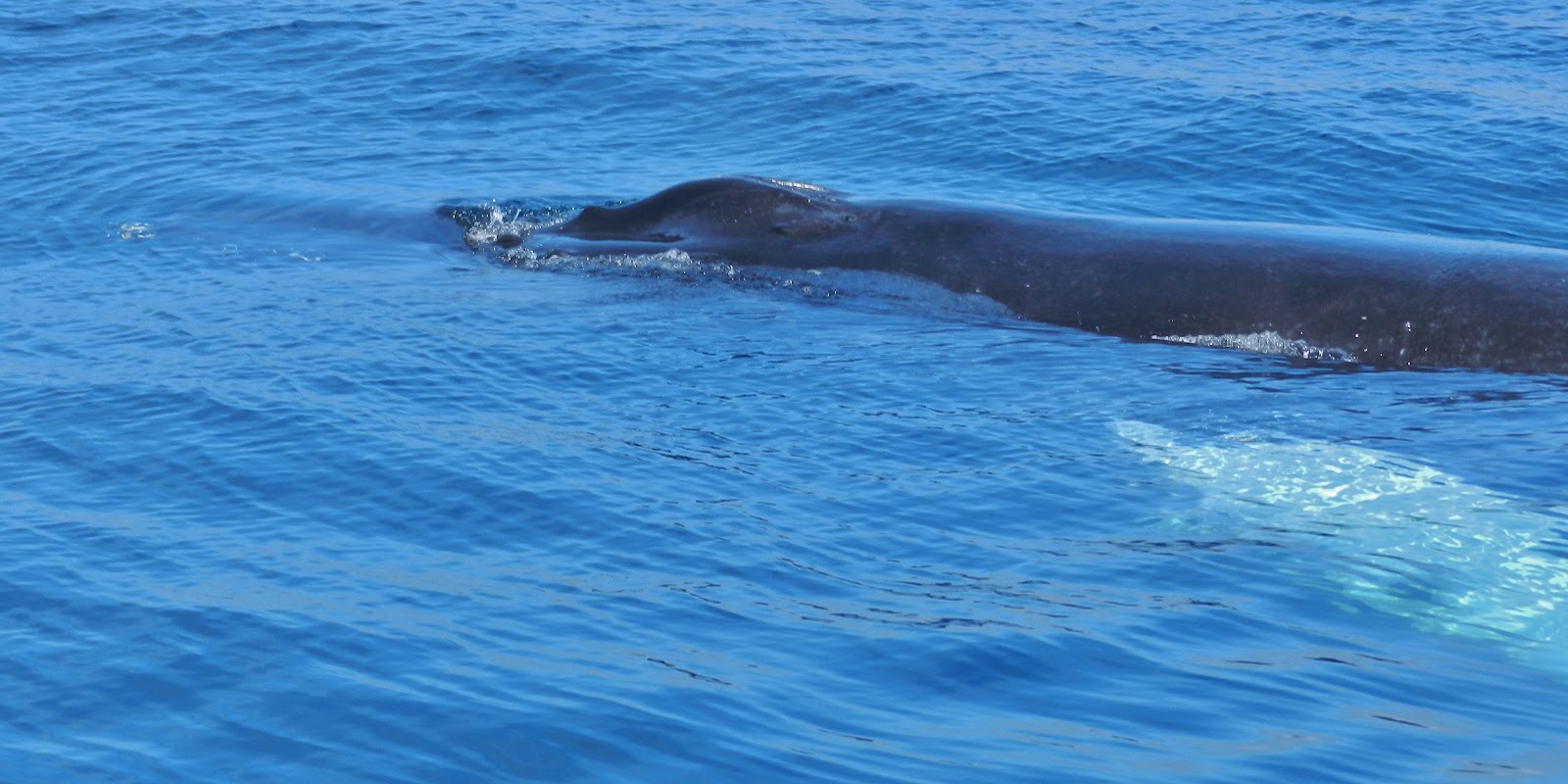
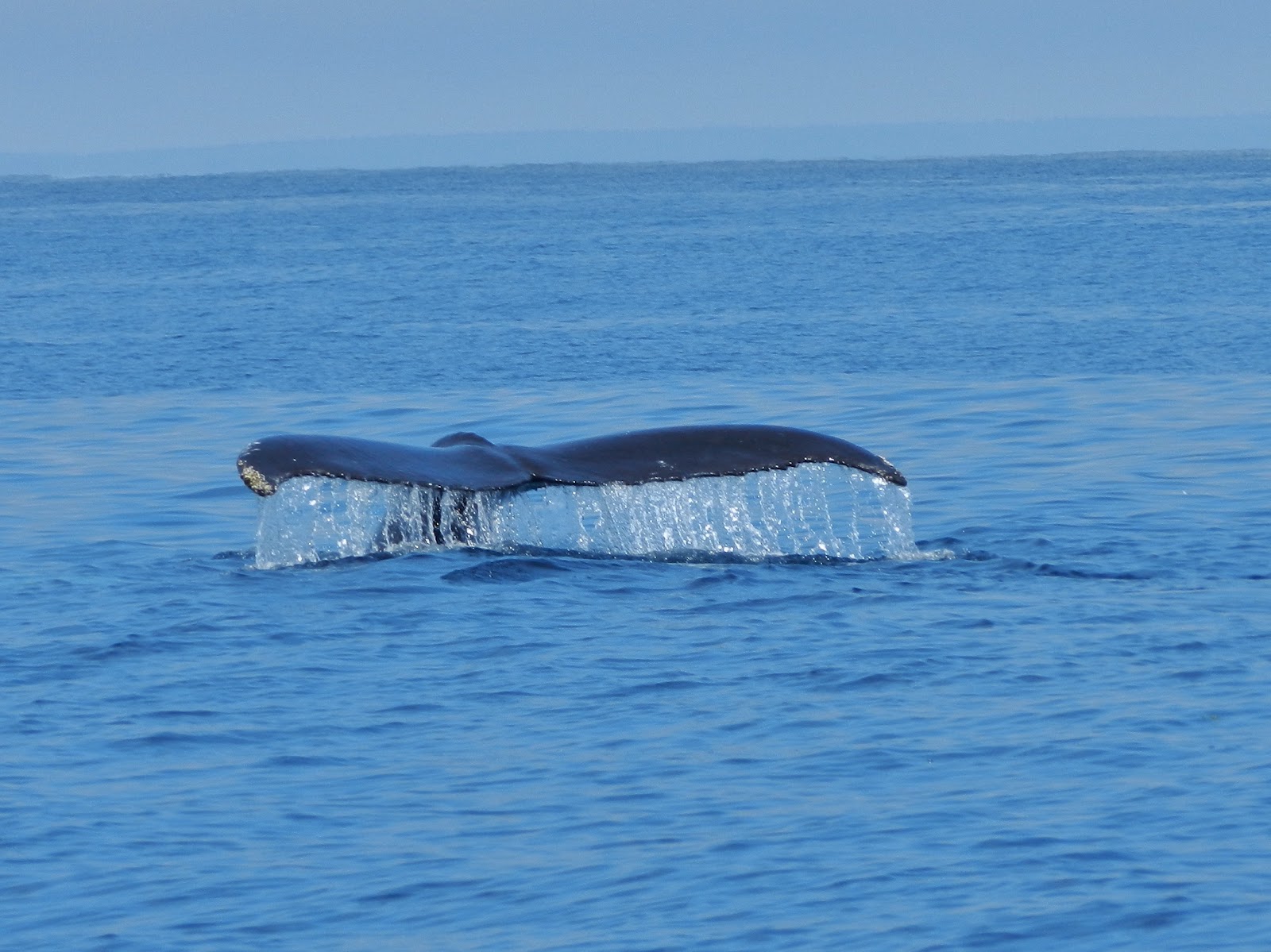
I have quite a back log of photos from a few recent trips. I spent 2 weeks in Nova Scotia and a few days in the Boston area in June. In July, we had family visit and took a few trips locally, down to Rotorua, and to Wellington. Here are some photos from a whale watching trip I took with my family. We left from Lunenberg and saw Fin and Humpback Whales. The above photos are of Fin Whales, the second longest animal in the world.

Below are photos of Humpback Whales.

I hope you enjoy the photos…

The white in the photo is the large pectoral fin, with the head being to the left, under water.

We didn’t see any breaching, but there is a nice series of shots of a Humpback tail. I have found that for whale photos (as well as for a lot of wildlife) using the option of multiple photos per shot is quite helpful.

Whale Watching in Nova Scotia

Whale Watching in Nova Scotia
 
Whale Watching in Nova Scotia
 
humpback-tail.jpg

Authentic Leadership In Action

Halifax, Nova Scotia, June 2012

I am sitting in the Vancouver airport, on my way back to Auckland.  I attended the ALIA summer leadership program last week. As part of taking on a new role of clinical director at the rehabilitation centre, I asked that I have some leadership training and this programme looked like a really good fit for my background in holistic medicine as well as the recovery philosophy of rehabilitation. ALIA grows out of the Shambhala tradition of mindfulness and meditation, but adds a philosophy of active engagement and participation in the world. Thus, there is a blending of mindfulness, creative arts, social activism, entrepreneurship, and creative, ethical business practices.

I was really impressed with the people teaching and attending the programme. In fact, it would be hard to say which was more valuable, the ideas or the people – if pressed, I would have to say the people.  Still, there were some good ideas about change in organizations. The sub-track that I choose was “How the World Is Changed,” which was based on Frances Westley and Barbara Zimmerman’s book, Getting to Maybe: How the World Is Changed. One of the most useful aspects of this model was looking at different stages of personal and organizational change and the traps that people can get stuck in. The shifting focus between individual, organization, community, and world was very similar to what I taught in my Being Fully Human class, so it was interesting to see how these holistic, interlocking dimensions were conceptualized in different ways at ALIA. I don’t have my notes right now, but perhaps I’ll put a few quotes and models in another entry of the blog at some point. I found it very energizing to meet a wide array of professionals from different fields, all very socially aware, idealistic, and committed to facilitating growth and change in the world. I only met one other doctor at the conference, and actually, I feel it is probably more fruitful for me to have had this leadership experience outside of a narrowly defined medical/psychiatric practice. I think it is 11:30 PM, Halifax time, where I started out this morning, but it is only 6:30 PM here in Vancouver. I am grateful to have had a few hours break here before getting back on another plane.

It was very interesting getting a Canadian perspective on social change. While there were people from New Zealand, Australia, and the States at the conference, the tone of the conference was very Canadian and I feel I have gotten a small feel for Canadian culture from this experience, which is a benefit I hadn’t counted on.

One aspect of the conference that I studied and appreciated was the challenge of bridging mindfulness, social activism, and business as the conference committee worked to create experiences that were personally transformative, as well as intellectually educational. My own work, for instance in my book, Creating a Holistic Medical Practice: A Guide for Transforming Your Self, Your Practice, and the Culture of Medicine, I try to take concepts that are more from the fringe and to bring these back into more mainstream culture. This is quite a challenge, because if too watered down, the energy is lost, but without some degree of translation toward the mean, readers would be lost. (By the way, I am still waiting to hear from a literary agent about whether they will pick up my book or not. I continue to check my email every day looking for their decision!)

All in all, I would say that ALIA is a positive force for change in the world, it is a great crucible out of which many good things will grow.

A Few Words About Language

I just had the most amazing meal. A Reuben sandwich (rye bread, corned beef, Swiss cheese, dressing, and sauerkraut) with potato salad (red potatoes, skin on, the dressing was pinkish, as if slightly colored by beets) and iced tea with refills. This may seem mundane, but it is a combination that I haven’t had in New Zealand, for all I know, I may not have had a Reuben in two or more years. Even if I did have a Reuben in New Zealand, it wasn’t this way, names can be the same, yet the content and experience incredibly different.  I had this marvelous lunch at the Moonkiss Café in Waquoit, Massachusetts. Walking out of the café, I saw a small sign tucked into the flower garden that said, “PEACE.”

I haven’t been back in the US for about a year. It doesn’t seem like a country at war, but we have been at war for 11 years, now. We are fighting terrorists, mujahedeen, who were previously freedom fighters against the Soviets. The Soviets were hostile occupiers, but the US is spreading freedom and democracy and killing “others” with machines that are growing in intelligence and deadliness (drones – definition). There is no sign of war here and no sign of deaths that are happening elsewhere. Peace:  a wish, a protest, a religious statement, or political commentary. The flowers bloom, regardless.

I have just set foot on US soil after almost one year away. I have been up in Nova Scotia, Canada for the past two weeks. On the way there from New Zealand, I was briefly in Sydney, Australia on a layover. I had four country’s currencies in my pocket, which I thought was very cool, until I tried to pay for something and three of the currencies had the English queen’s likeness on them. Does that make me a global citizen or a bumbling, economic colonialist?

I was at the ALIA (Authentic Leadership In Action) conference, which I will discuss in more depth in another entry. Here, suffice it to say, I spoke with people from all over, mostly Canada, Quebec, the US, Barbados, Australia, and even New Zealand. The first thing that was strange is when I got on the Air Canada flight in Auckland. First I noticed one person speaking North American English, then another and another, suddenly, I was surrounded by people who spoke similarly to me, the Aussies sitting next to me were more the minority with their pronunciation. I didn’t realize how used to being different, in the New Zealand context, I have become. I had a weird experience in a Tim Horton’s yesterday, after already being in Canada for a couple of weeks, of having that feeling of needing to speak quietly so that everyone doesn’t know that I am American and then I realized that I didn’t need to change my way of talking, as there isn’t as much difference between Canadian English and US English, as there is between the US and NZ. Still, I would rather not stand out as obviously American in another culture. Sometimes in New Zealand, people think I am Canadian, I generally take this as a complement, based on the perception of the US in the world. So, I have learned to speak quietly, pronounce many words differently, and to make this kind of “um” noise and to say “eh” (or someone said I should spell it “aye,” but it sounds a lot like a Canadian, “eh,” eh?).

But then, there are those Canadiens from Quebec, with not just a different accent, but a different language. As New Zealand is bicultural (New Zealand European (pakeha) and Māori), so Canada is bilingual (French and English). In New Zealand, I worked hard to learn some Māori words and phrases. I learned some Albanian from my Kosovar friend. I have worked to understand and even say some words in different English accents. At the conference, I think one of the most beautiful words I heard was the Zimbabwean pronunciation of the word “here,” which sounds more like haeare, and it reminds me of my friend in New Zealand who grew up in South Africa and England, as he says haeare in a similar way.

One is at a distinct disadvantage being in a bicultural or bilingual country and not speaking the other language or understanding the other culture. There are complex dynamics around this. Sometimes it seems that those who speak “the other” language expect you to learn their language, but there is variability in whether or not someone teaches you their language. I don’t understand the Anglophone/Franocophone dynamics in Canada enough to comment. Māori culture in New Zealand is somewhat closed, it is more collectivist and tribal in orientation, which tends to have stronger ingroup/outgroup distinctions. There is also both a dual expectation that you are sensitive to and informed about their culture, but there are barriers to learning it as it is something of their own that is not easily shared. As an outsider bumbling in, there can be a feeling of discomfort, ignorance, being disliked (perhaps for one’s group affiliation – rather than one’s individual self), with the accompanying projection that the other is proud, arrogant, disdainful, angry, or perhaps playful, or maybe just seeing what a newcomer knows. What is behind this interaction, what motivates someone to speak a language to you that they know you do not know? In a bilingual country, a visitor could reasonably be expected to learn a few words in the host language. I admit it bothered me when Americans would use American currency in Canada (which I also admit, I did a couple of times near the end when I ran out of Canadian currency), why not exchange money?  So why not learn some French, I ask myself. Well, I did embarrassingly learn “come see come saw” which means something like “I am so so,” (Ok, I know it isn’t spelled that way, but I am not sure how it is spelled, just how it sounds).  I should learn some French, at least a few words out of courtesy.

I am listening to Stereolab right now, mostly English, but some French songs, although I have listened to this band for years, I don’t know what the words are to the French language songs. I like Jovanotti and I have looked up the English translation of some of those songs sung in Italian. Sigur Rós, I have looked up the translated lyrics on a couple of songs from Icelandic to English.

It was easier for me to learn to speak a few phrases of Albanian in New Zealand than Māori in New Zealand, why is that? I developed a relationship over some time with someone from Kosovo at the bus stop every morning, and it just seemed natural to want to learn a few phrases. Most of my learning of Māori has been from reading books and learning certain terms.

Language is a touchy subject, a difficult subject, it allows for connection, it can create clarity or confusion, it also can be used for disconnection. I know that it took me about a year, maybe a year and a half of having to activate a little more of my brain to translate accents in New Zealand – the place I noticed this the most was in jokes, I would often be about 10 seconds behind the joke before I would get it. Being in a different culture is an adventure and it also entails a degree of isolation and difference. I have written earlier on this theme shortly after arriving in New Zealand, particularly the dilemma of having a tendency to feel like an outsider and gravitate to the periphery in one’s own culture and then moving to another culture and being perpetually an outsider. I have met Americans who have been in New Zealand for years, and even though they pronounce some words like a Kiwi, they don’t speak with a Kiwi accent, only those who come at a young age seem to be able to do that. There is something akin to aural butter in hearing one’s own language and dialect spoken, of speaking to someone who has a familiar rhythm and tempo in their speech, it is kind of like the meal I had for lunch today – it was really good, partly because it was expected and predictable, the variations maintained the essence of the food, whereas in another culture the name is retained, but something about the essence just doesn’t feel like the food you are used to. And yet, for many people, there is a desire for newness, difference, a change of pace, a new perspective – but all things are in a balance, it would be good if I could explain that, but I cannot, other than to say that I have felt at times a craving for sameness, security, the expected in reaction to a temporary state of being overwhelmed by otherness.

So, what do I say, “I am culturally insensitive because I am an American, and that is in fact our culture and other cultures should be sensitive to that?”  I don’t think that will fly. I will need to learn at least some conversational French before returning to Canada. But for now, merde (second favourite French word), I must work on my idée fixee (favourite French phrase), and I bid you adieuMon Dieu, I almost forgot my third favourite phrase! I also like the French pronunciation of idiot, which is probably fortunate.

Walden Pond

WALDEN POND

I had the happy surprise of going to Walden Pond on a 2 day trip to Boston to visit a friend from high school. I had never been there, although I have read Thoreau off and on, and I was really thrilled to go there – a mini-pilgrimage of sorts.

WALDEN POND

The first time I seriously read Thoreau was after university when I bought a bus ticket from Chicago to Seattle and went backpacking in the Olympic National Park. The bus trip was 50 hours long (each way), so I had plenty of time to read and to meet people from all over the world. There is a strange sort of community that happens when people are thrown together for a medium length of time. There was a rhythm of driving, stopping for a break and some food, and driving some more.  I don’t know if I would have read as much of the Portable Thoreau as I did on that trip if I weren’t in that somewhat Zen-like rhythm of always moving and being stuck in the same place.

WALDEN POND

I have a painting I made years ago, it is a sort of forest scene with a little cabin by a pond and then I painted quotes from Thoreau over the whole thing. Here are a couple of the quotes:

WALDEN POND

If you have built castles in the air, your work need not be lost; that is where they should be. Now put the foundations under them.

I came into this world, not chiefly to make this a good place to live in, but live in it, be it good or bad. A man has not everything to do, but something; and because he cannot do everything, it is not necessary that he should do something wrong.

I left the woods for as good a reason as I went there. It seemed to me that I had several more lives to live. It is remarkable how easily and insensibly we fall into a particular route, and make a beaten track for ourselves. I learned this, at least, by my experiment, that if one advances confidently in the direction of his dreams, and endeavours to live the life which he has imagined, he will meet with a success unexpected in common hours. In proportion as he simplifies his life the laws of the universe will appear less complex, and solitude will not be solitude, nor will poverty be poverty, nor weakness weakness.

WALDEN POND

The Royal Australian & New Zealand College of Psychiatrists, Part I

I just got back from Hobart, Tasmania in Australia for the annual Royal Australian & New Zealand College of Psychiatrist conference. It was a very interesting conference, I learned a lot and met many people who are doing good work.

Hobart, Tasmania, Australia

Hobart, Tasmania, Australia

Here is the abstract for the first presentation I did:

What Does It Man to Be Human?

The Role of Psychiatrists in Philip K. Dick’s Life & Writing

Author: David R. Kopacz, M.D.

Philip K. Dick was a prolific author of over 50 novels. Many films have been based on his work, including Blade Runner, Minority Report, Adjustment Bureau, and the upcoming Radiofree Albemuth. His continued relevance seems due to the timelessness of his two main themes:   “what is human and what is real?” In the course of living these questions he was prescribed most classes of psychiatric medication, took street drugs, routinely consulted psychotherapists and psychiatrists, and was psychiatrically hospitalized several times.

Not surprisingly, psychiatrists often appear in his writing, sometimes as humanizing forces but also as forces for dehumanization. Dick called dehumanization, “androidization,” where a human being becomes a machine:  obedient, predictable, and lacking independent thought. When psychiatric interventions are applied without thought and wat ithout appreciation of the humanity of the recipient, the psychiatrist can be seen as an “android” who is trying to turn the patient into an “android” as well. In Dick’s life and work, psychiatrists also act as human beings, with concern and empathy to empower the humanity of the client.  Although Dick developed extensive, elaborate theories about the question of ultimate reality, his litmus test for humanity is much simpler – is one kind to other beings? Kindness is the hallmark of whether one is acting as a human or a machine. This presentation will examine Dick’s concepts of the android and the human in the context of contemporary debates regarding the recovery movement and the role of the psychiatrist as an evidence-based technician and/or as a humanitarian.

The Royal Australian & New Zealand College of Psychiatrists, part IThe Royal Australian & New Zealand College of Psychiatrists, part I

The presentation went well and I had some interesting discussions after it. One thing I came away thinking about was PKD’s subversive humanism (the little guy trying to stay human in the face of overwhelming technological or political attempts at androidization) and how that is similar, in some ways, to the true work of psychiatrists – fostering human growth and development in the face of mental illness, traumatic past experiences, and restrictive belief systems of family and society.

Bruny Island

Bruny Island
Bruny Island was an interesting place, but I think we both felt a little disappointed after the rest of Tasmania.  It is very, very quiet on Bruny.  It is a beautiful place, but by the time we got there, we had seen so much beauty.  Personally, I think we would have both spent a little more time around Freycinet and at Kabuki by the Sea.  We also were both getting sick with a cold in Bruny, so that probably colored our views, too.  I had wanted to take the wildlife cruise, but one day it was raining and the next day I just didn’t feel up for it.  Above is a sculpture that some locals made after a whale was beached at Adventure Bay.  If you look closely, you can see two whales inside the globe.

Bruny Island

I went out two nights trying to spot the Fairy Penguins, the smallest penguins.  These have holes that they dig in the ground.  The first night, I didn’t see anything, but I didn’t know how long to stay out in the night.  The second night I was better prepared and had red cellophane to put over a flashlight.  Right off the bat I saw a wallaby and could hear it munching away as I watched the surf.  Eventually, I could see some penguins!  They clustered around by the water’s edge (the left side of the photo below was where the blind for watching them was located).  Then a small group of them decided it was time to make the trip and the shuffled along, right alongside of the blind I was behind, so I could see them quite close up.  I had experimented trying to take red light photos of the wallaby, without much luck, so I knew there was no point in trying to photograph the penguins, so I just enjoyed watching them shuffle along and listened to all their calls from their burrows.

Bruny Island
Of course, there were more birds to photograph, here are some that were flying around where we were staying at Alonnah.  I think the bird bottom left is a Sea Eagle and of course the ubiquitous Green Rosella, foraging in the backyard and a flock in flight.

Bruny Island

Bruny Island

Bruny Island

Launceston and the North of Tasmania

Launceston and the North
There were a lot of great birds, I never got tired of trying to photograph different varieties of wild parrots. Also, the kookaburra were very common and made a lot of funny noises, their “laughing.”
Launceston and the North
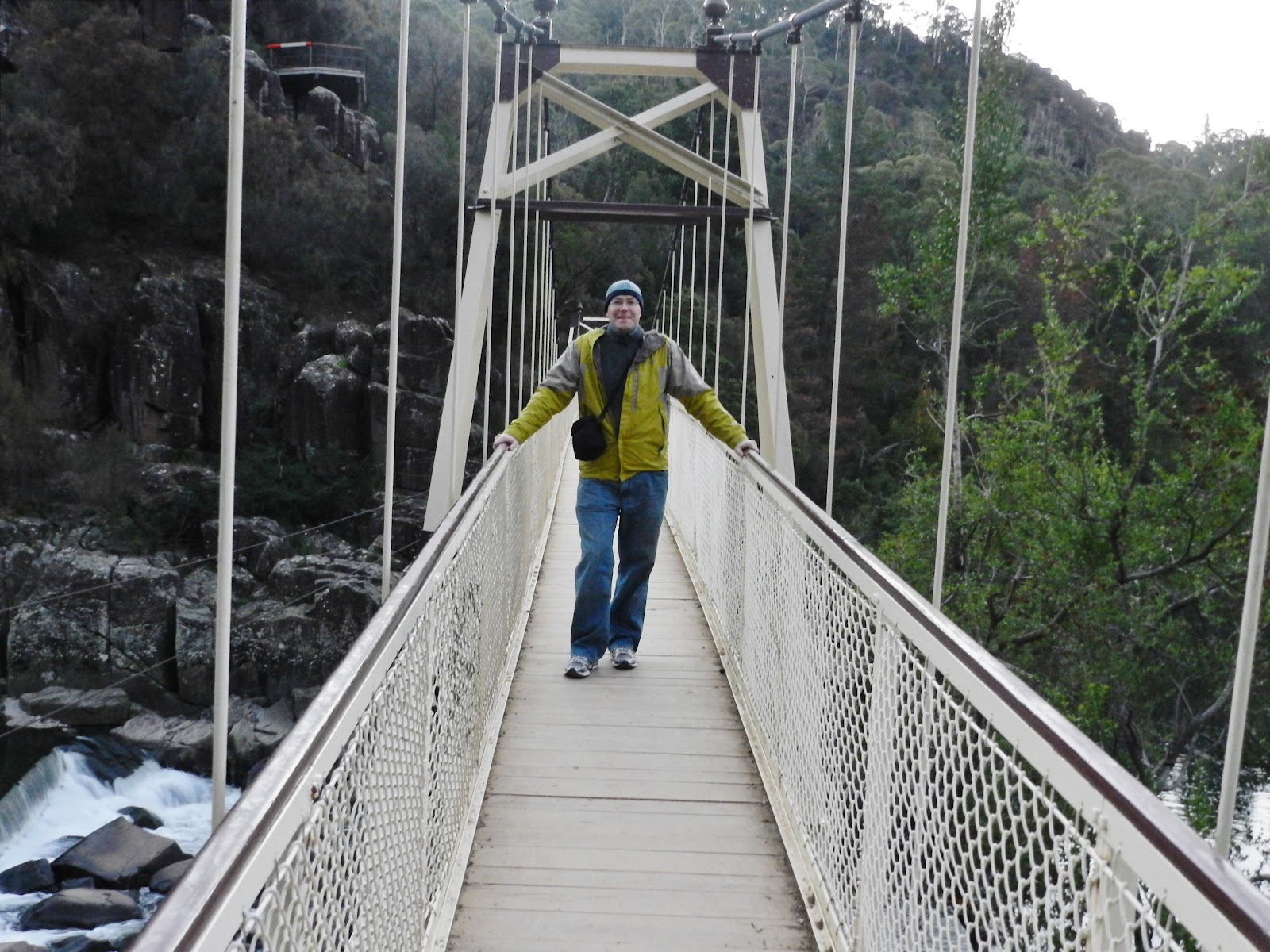
We spent some time at the Cataract Gorge, a beautiful park with walking tracks right in Launceston, the second largest city in Tasmania.
Launceston and the North

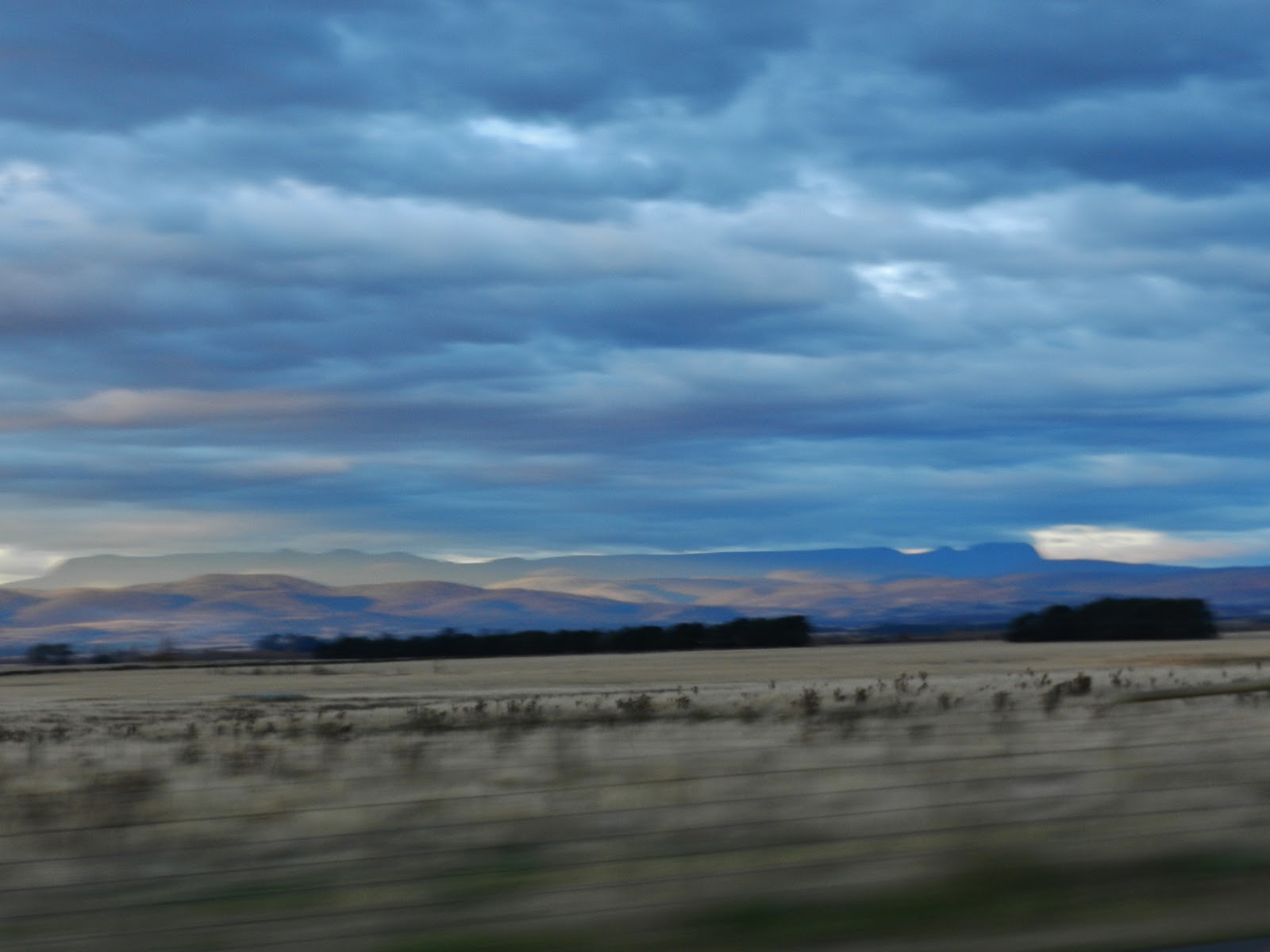
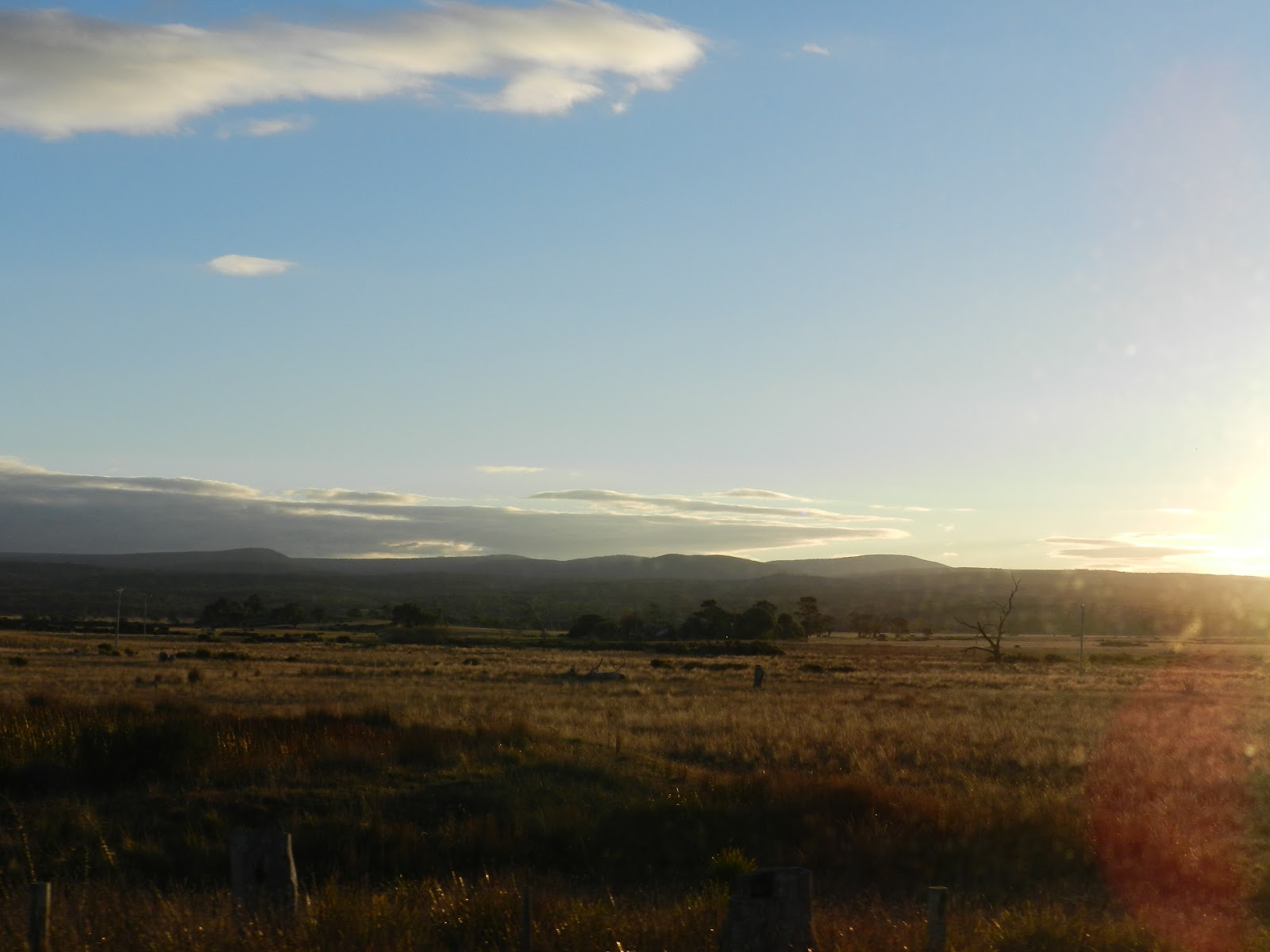
The quality of the light was very yellow in a lot of places, maybe it is partly because there are more autumn colours in Tasmania than New Zealand and we aren’t used to seeing the browns, tans, and yellow pallete of colours. We spent a lot of time driving through the countryside and were surprised to see large flocks of cockatoos fosicking in the fields!

Launceston and the North

Freycinet National Park & Swansea

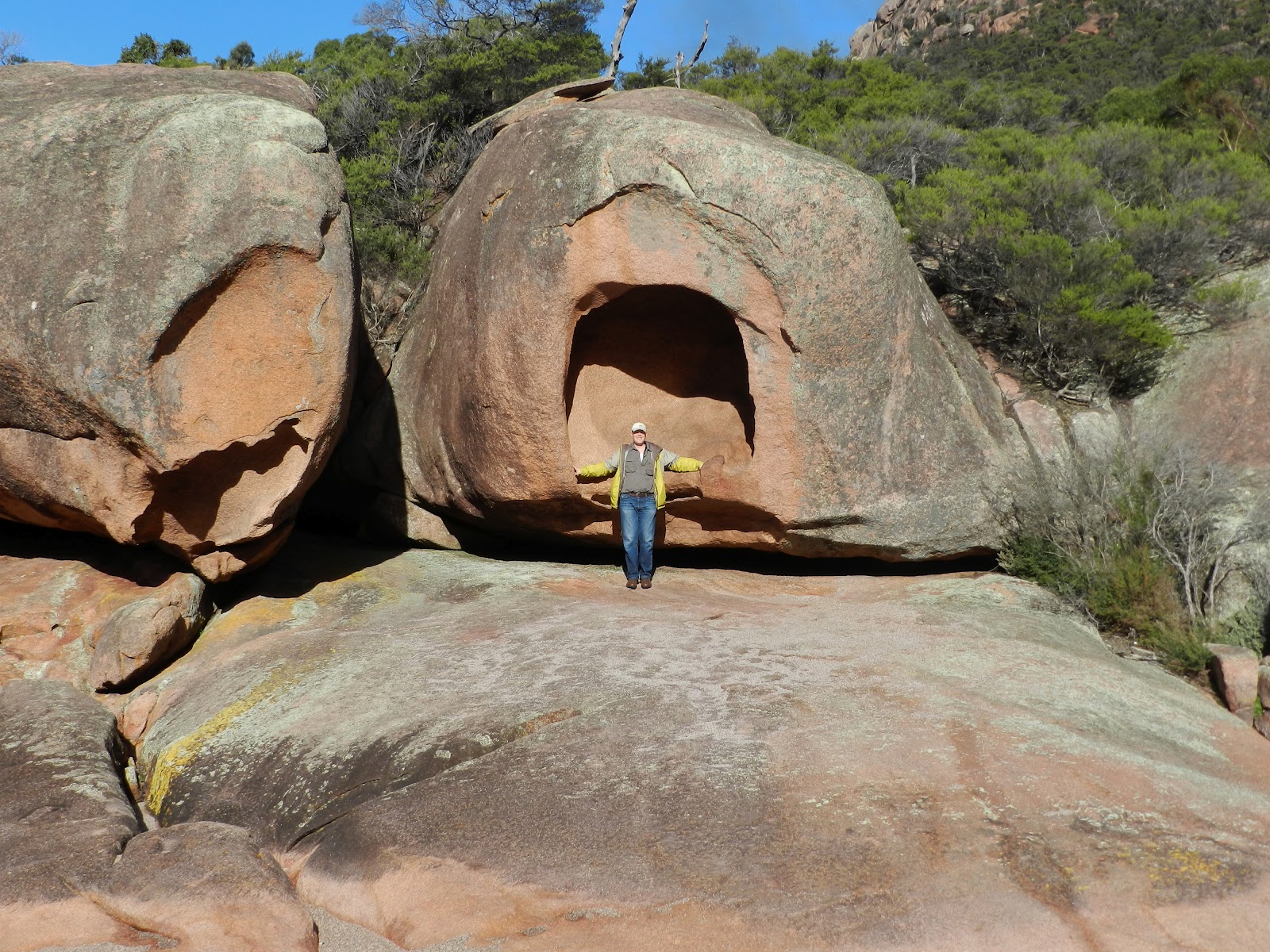
We spent part of a day at Freycinet National Park on the East coast and saw some beautiful scenery and watched birds on the beach for a while. We walked around Sleepy Bay and could have just stayed there for a really long time, but we also wanted to drive up to Launceston that day and the recommendation is to stay off the roads as much as possible after dark because the wildlife is so plentiful.

Freycinet National Park & Swansea

Freycinet National Park & Swansea

Freycinet National Park & Swansea

Freycinet National Park & Swansea
 We stayed at Kabuki by the Sea, near Swansea – a beautiful set of cottages looking out over the cliffs and surf. There was also a Japanese restaurant there.  The food, company, and views were so fabulous that we came back and spent another night there on the way back South.

Freycinet National Park & Swansea

Freycinet National Park & Swansea