Cyclone Evan

It has been very rainy and blustery in New Zealand the past few days as the remains of Cyclone Evan have been blowing over. Evan devastated Samoa and Fiji before making its way down to New Zealand, where it hasn’t caused much significant damage, other than some rain and bad weather.

We had just visited Samoa back in September and had a wonderful time staying at Aggie Grey’s Hotel in Apia. This iconic hotel was founded in 1933 and was featured in James Mitchner’s “Tales of the South Pacific.” Marlon Brando stayed at the hotel and there was a bungalow bearing his name there. Robert Louis Stevenson had immigrated to Samoa, but he died before the hotel was built, in 1894. There is a RLS museum in Samoa.

It is shocking to now read about the damage Samoa and Aggie Grey’s has suffered. According to the Samoa Observer, Aggie’s is the second largest employer in Samoa (around 1000 people) and there is some question whether the hotel will be rebuilt. The storm destroyed much of the area where we daily dined, although the room we stayed in on the second floor may not have been directly damaged by the six foot flood waters.

Since coming to New Zealand, this is the second natural disaster that has struck somewhere we visited in the past few months as we had been down to the South Island of New Zealand to Christchurch about a week and a half before the second earthquake in February. We had walked through the square and taken photos with the cathedral in the background, however after the quake, the cathedral was destroyed.

Here are some photos that show Aggie Grey’s from our visit there in September:

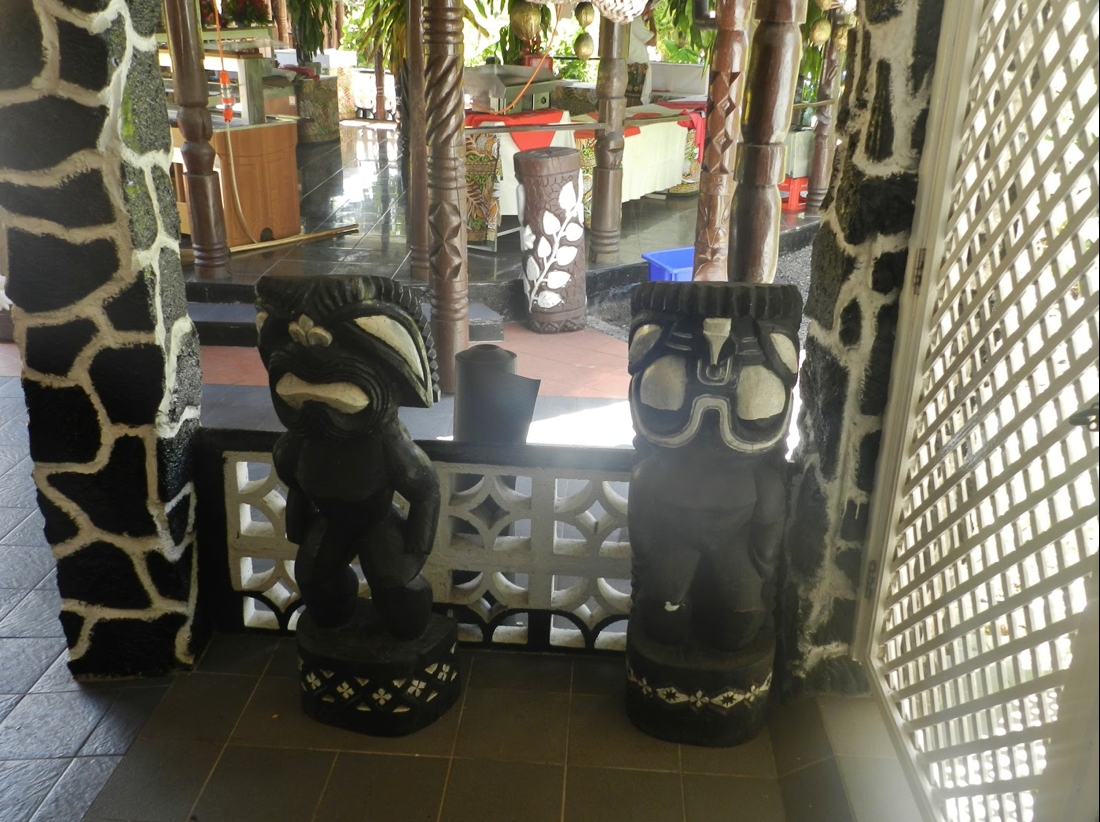
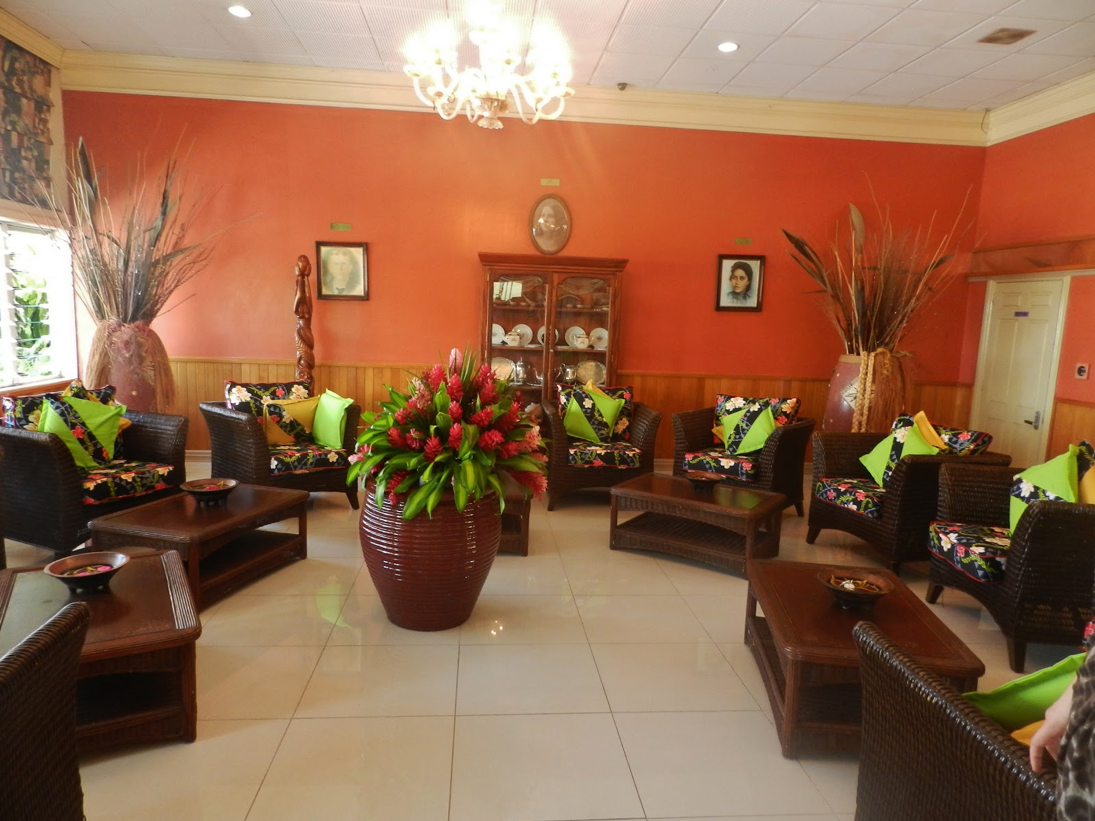
Aggie Grey's Lobby

Aggie Grey’s Lobby

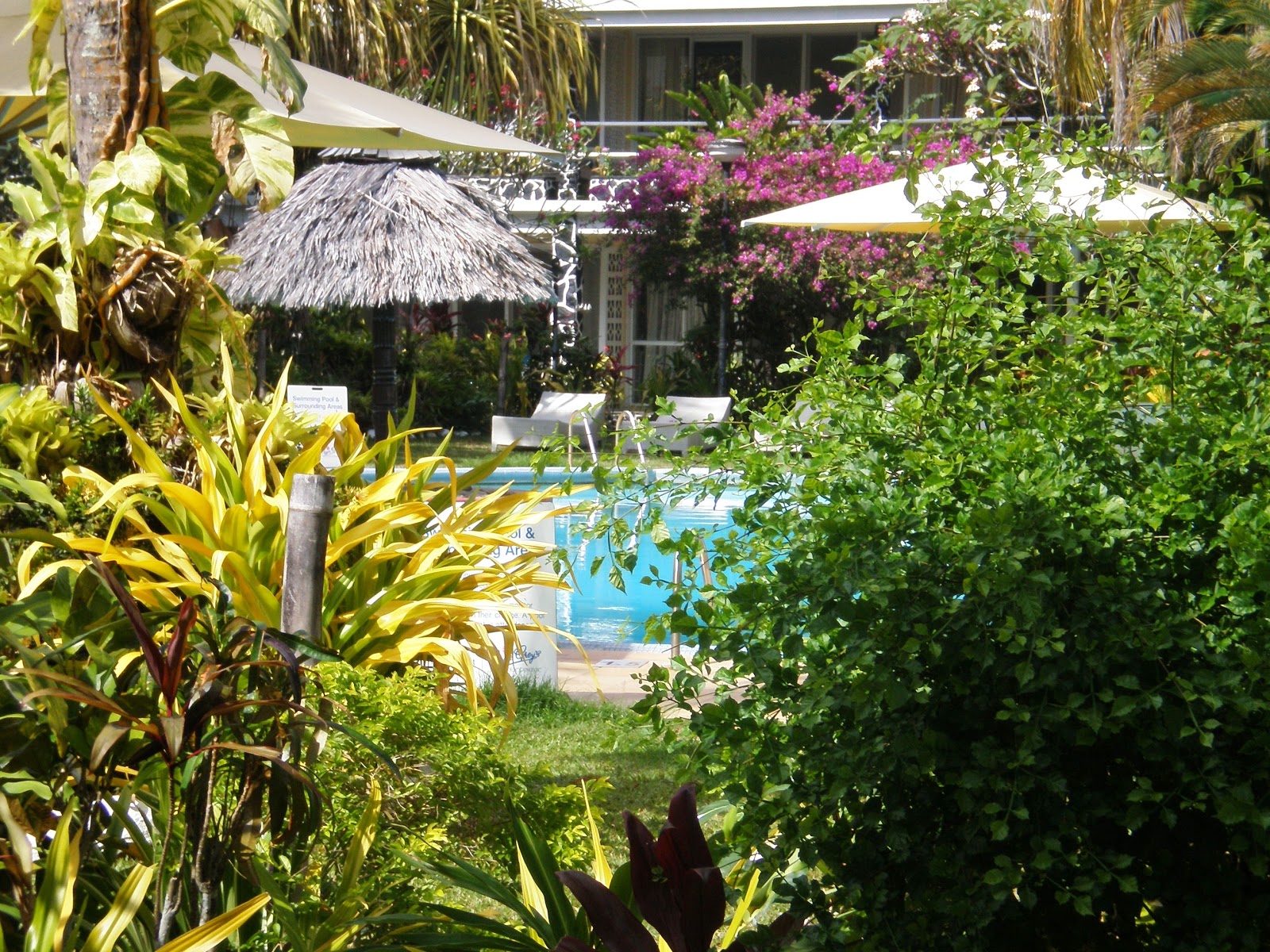
View from the dining room near the pool.

View from the dining room near the pool.

Me in front of Aggie Grey's

Me in front of Aggie Grey’s

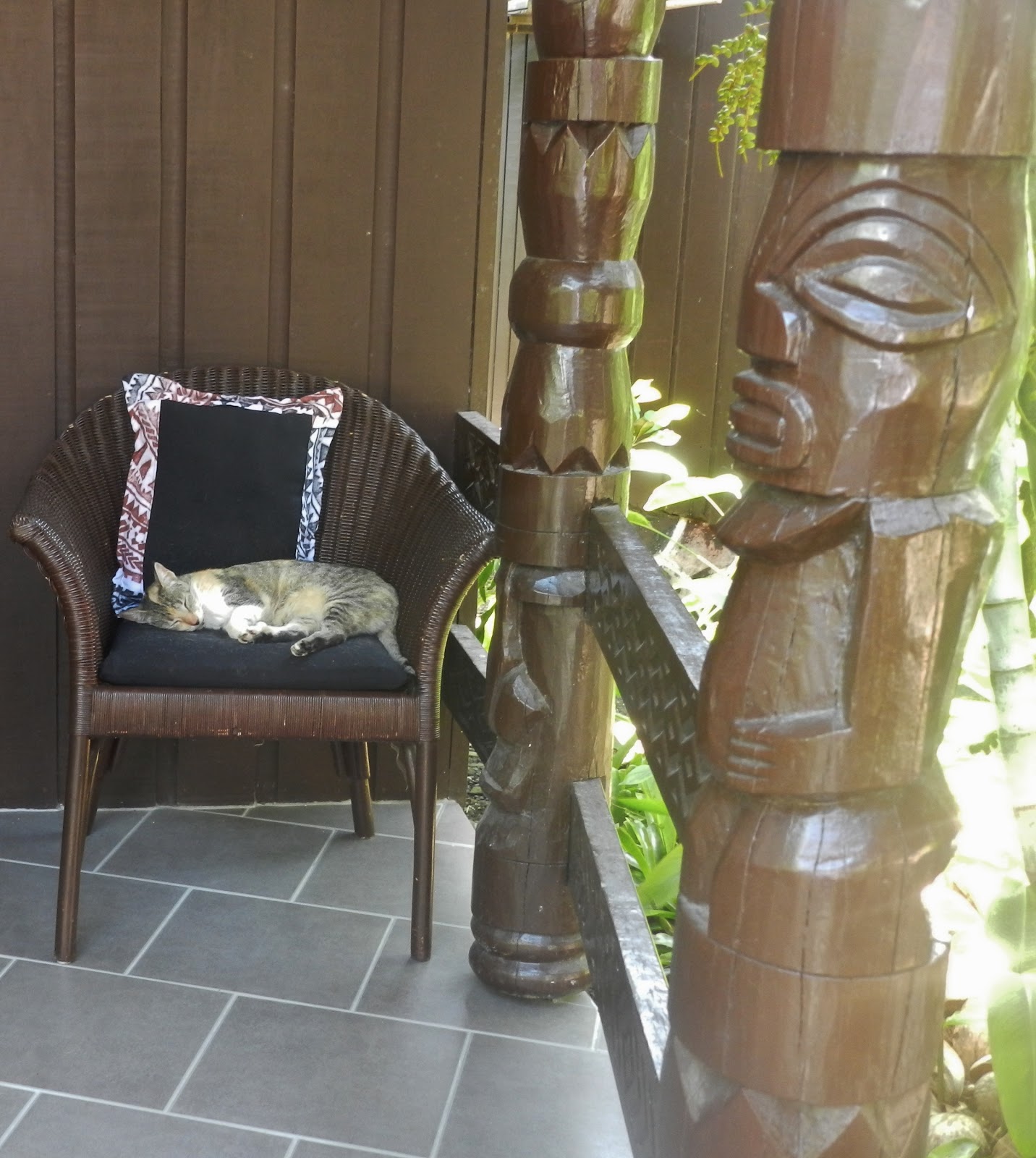
A cat that staked out this chair the whole time of our visit

A cat that staked out this chair the whole time of our visit

View of Aggie Grey's looking West. This river flooded and brought six feet of water and silt into Aggie Grey's. Hotel guests went up to the 3rd floor to escape the flood waters.

View of Aggie Grey’s looking West. This river flooded and brought six feet of water and silt into Aggie Grey’s. Hotel guests went up to the 3rd floor to escape the flood waters.

The pool filled with mud when the river overflowed.

The pool filled with mud when the river overflowed.

The cafe at street level

The cafe at street level

cyclone-evan-samoa-dining-room
Cyclone Evan
The Marlon Brando Fale (not Marlon Brando in the photo!)

The Marlon Brando Fale (not Marlon Brando in the photo!)

Whale and Dolphin Watching in the Hauraki Gulf

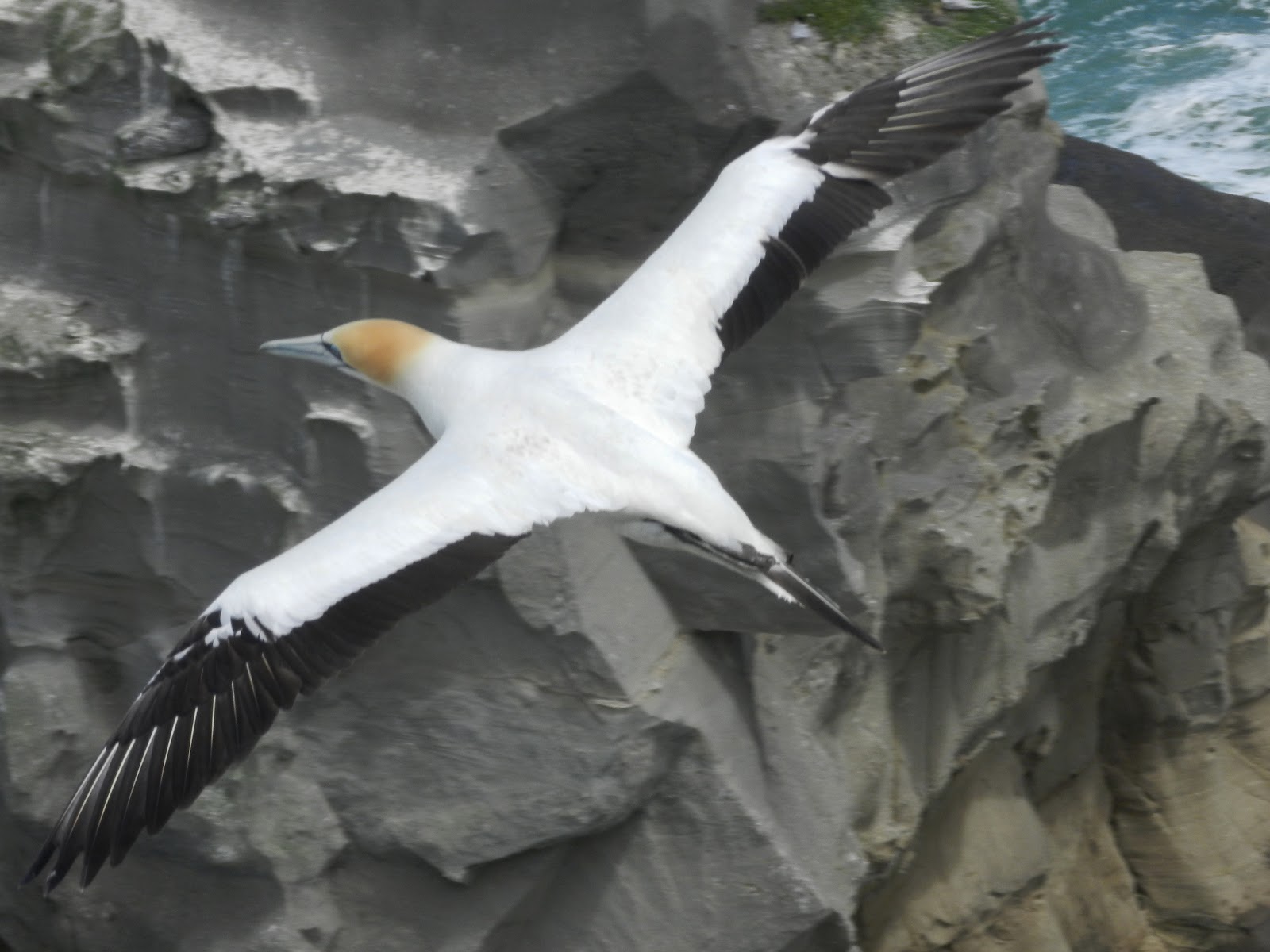
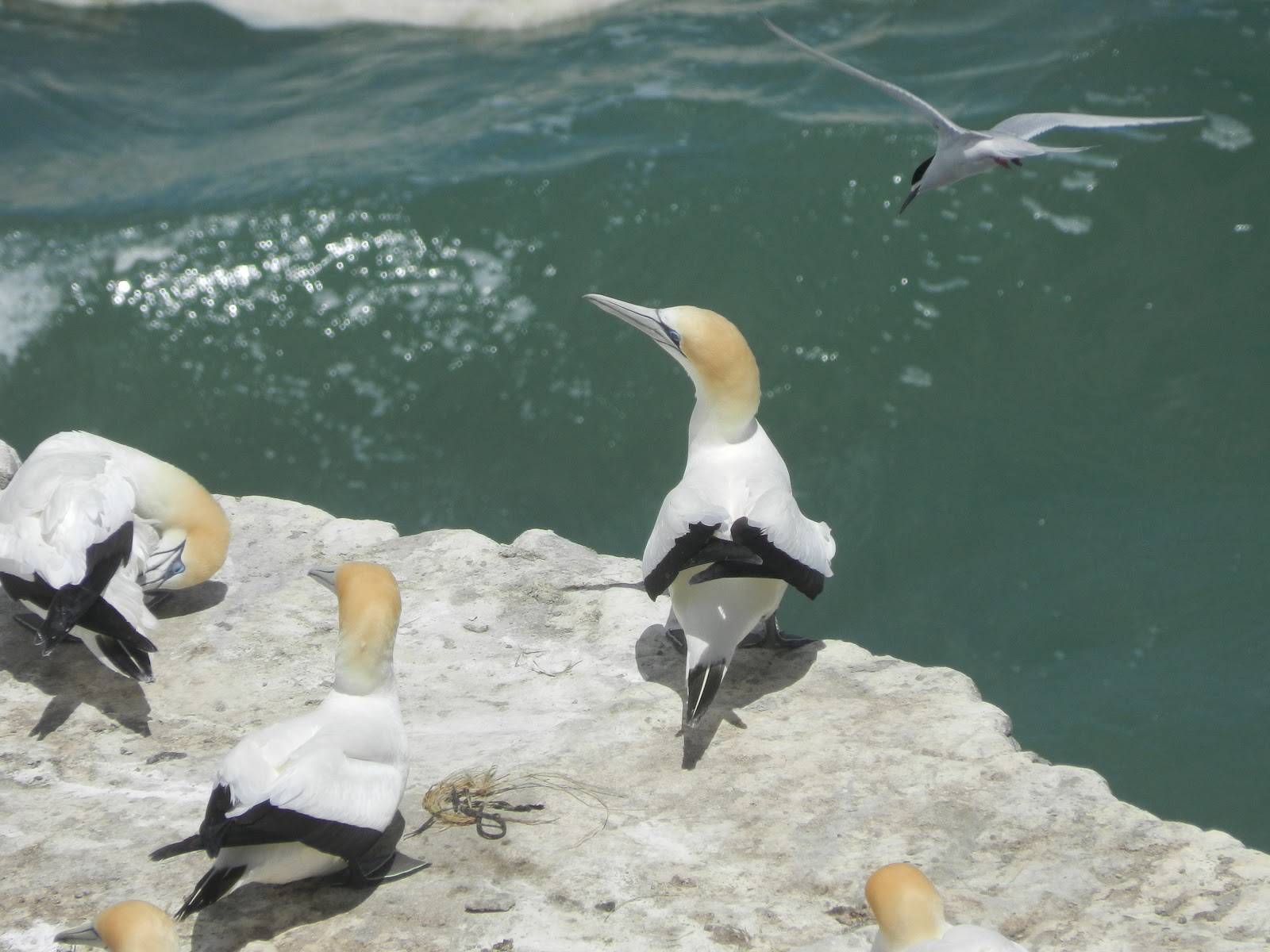
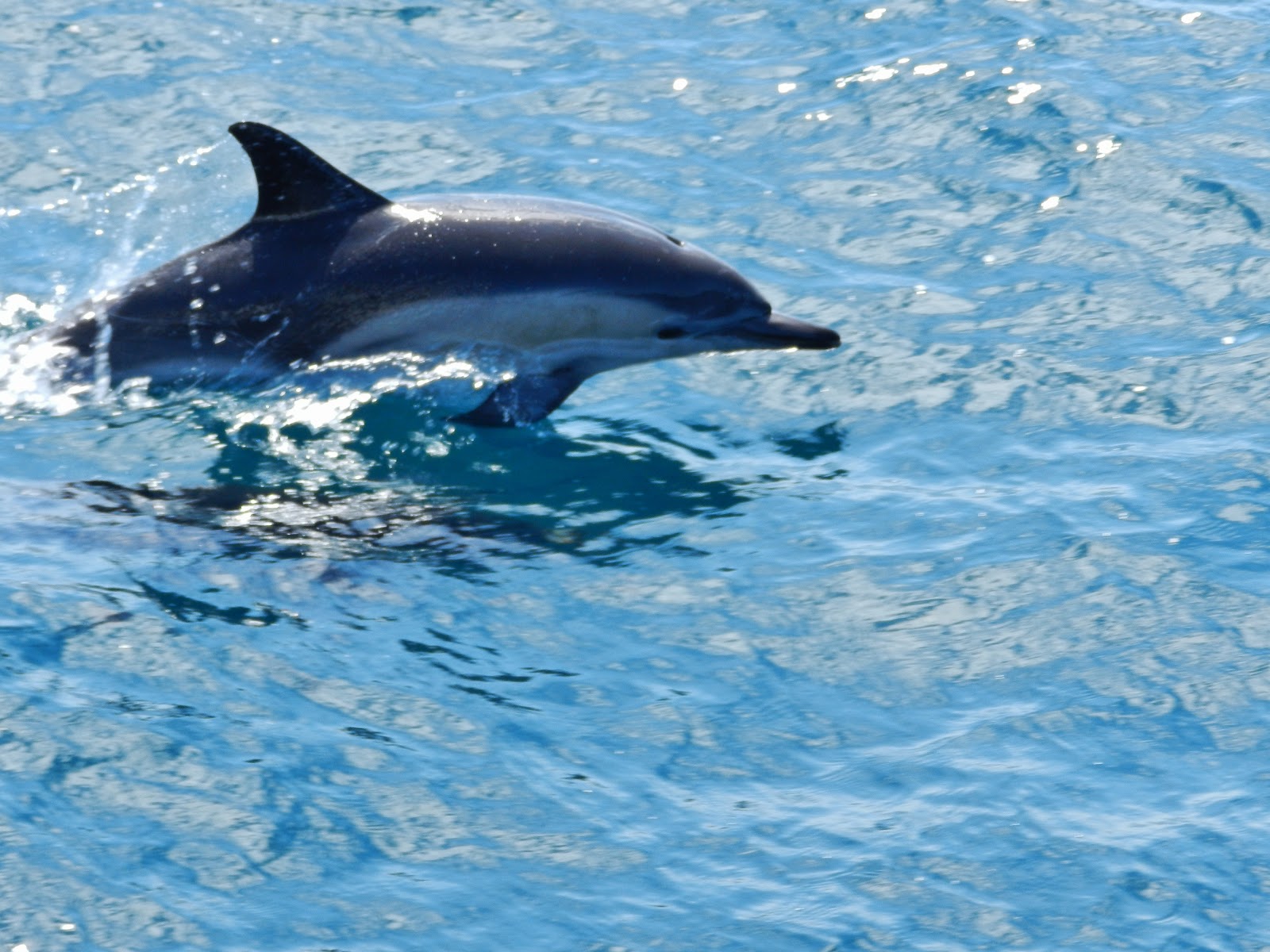
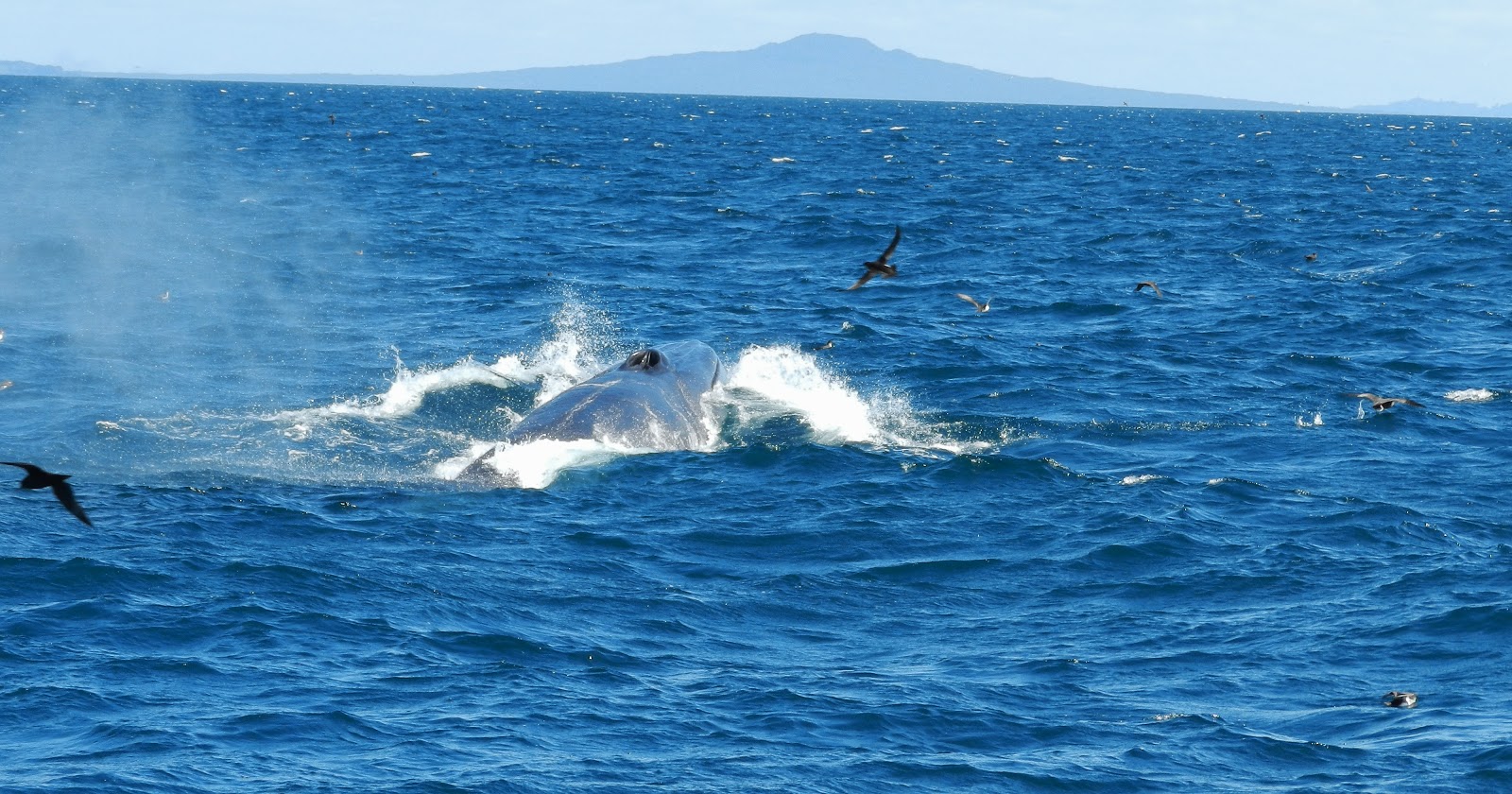
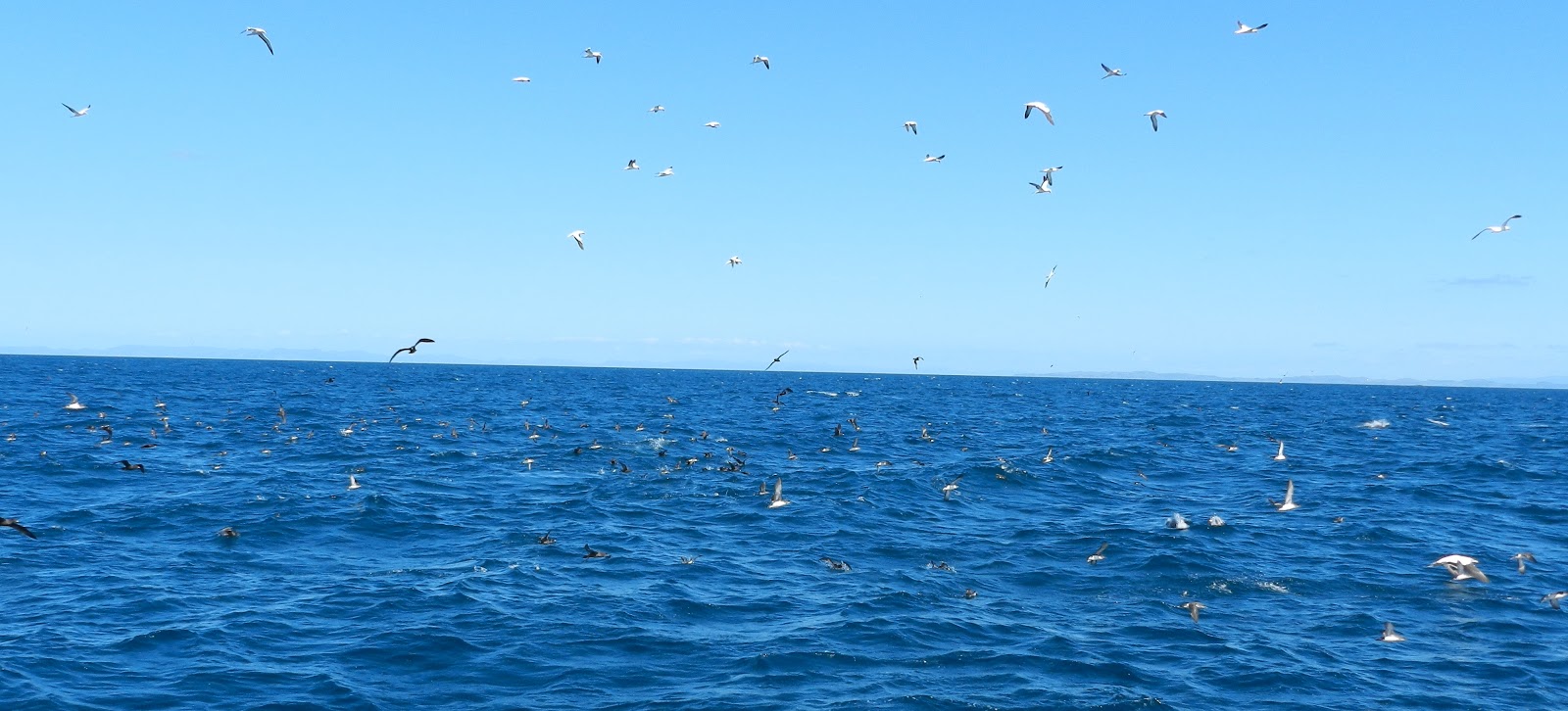
We went on a whale and dolphin trip this weekend and it was one of the best yet!

gannets.jpg

Whale and Dolphin Watching in the Hauraki Gulf

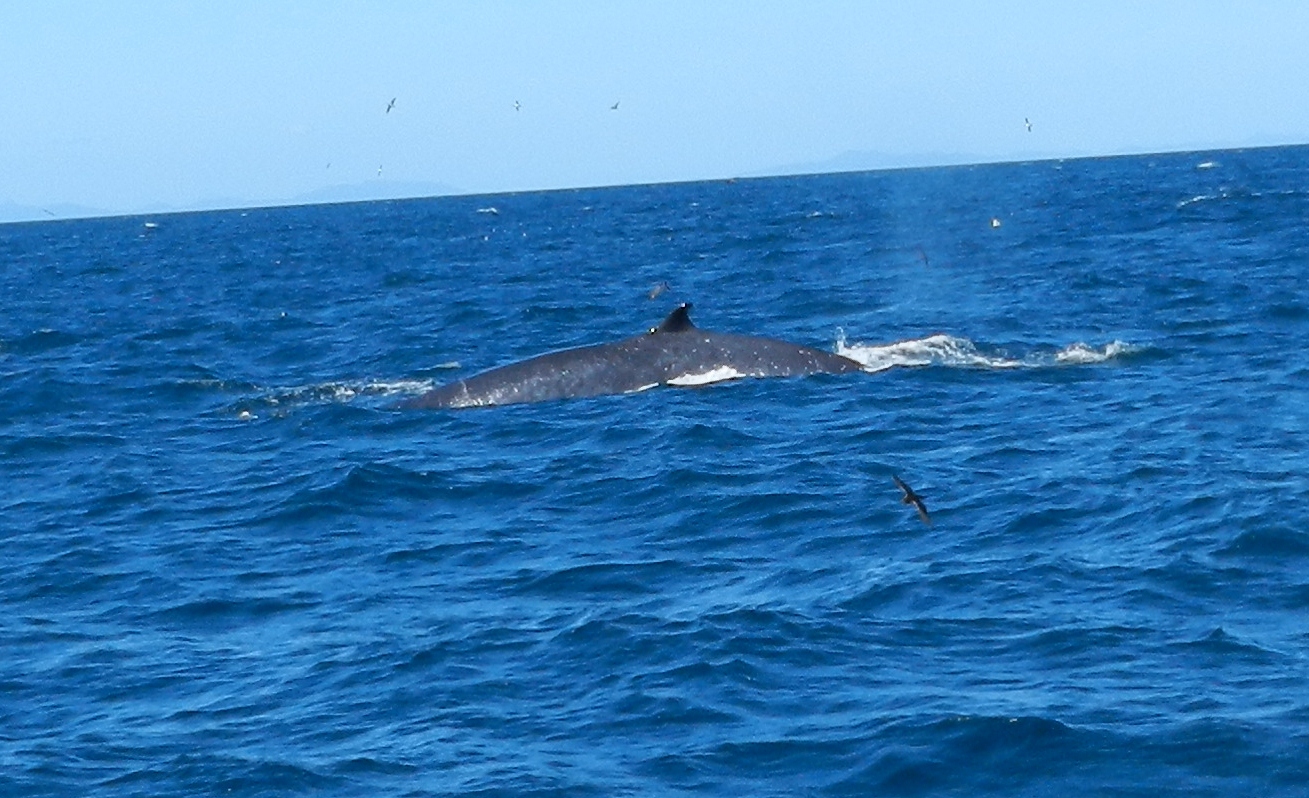
We saw swarms of sea birds in a feeding frenzy with many dolphins and several Bryde’s Whales.

Whale and Dolphin Watching in the Hauraki Gulf

Whale and Dolphin Watching in the Hauraki Gulf

Whale and Dolphin Watching in the Hauraki Gulf

Whale and Dolphin Watching in the Hauraki Gulf

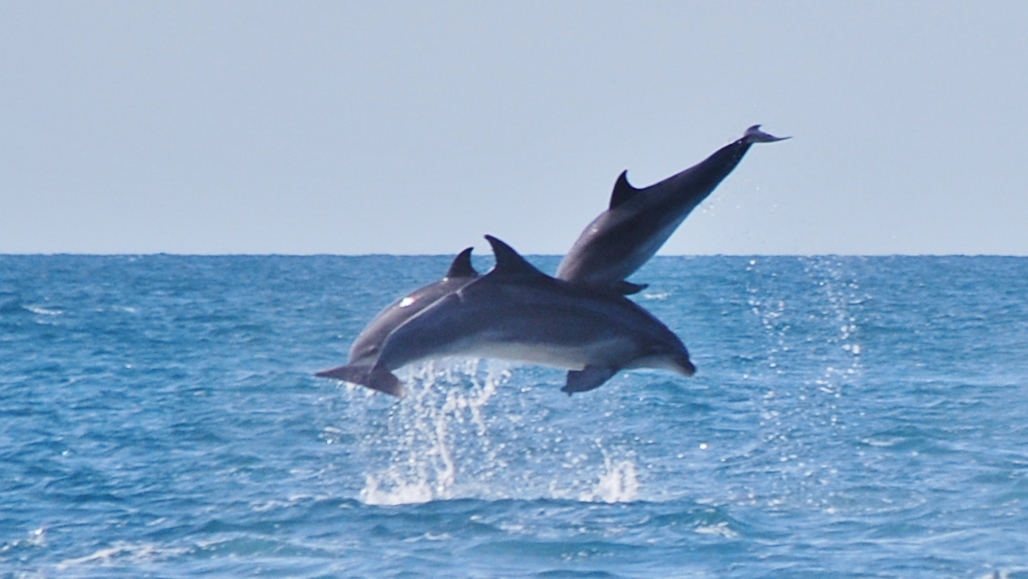
Later, we ran across a pod of Bottle Nose Dolphins that were very acrobatic.  One gave us a show of several belly flops in front of the boat.

Whale and Dolphin Watching in the Hauraki Gulf

Whale and Dolphin Watching in the Hauraki Gulf

Whale and Dolphin Watching in the Hauraki Gulf

I have to admit, I didn’t take this last photo…I saw the dolphins do the three way jump, three times, but missed the shot. This photo was taken by the photographer on the boat.

A Trip to Karekare

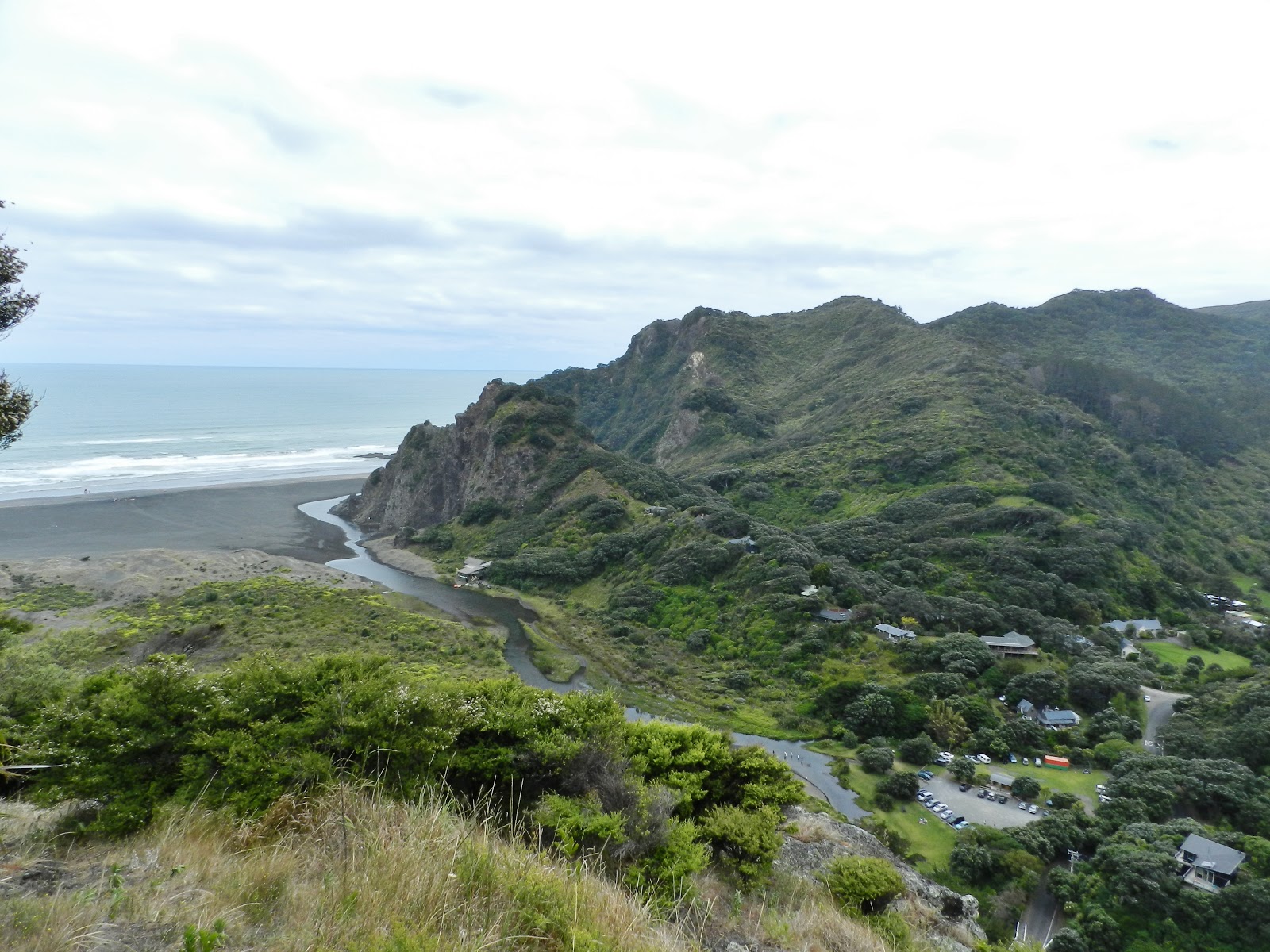
We took a drive out to the West Coast beach, Karekare, this past weekend. It is one of the black sand beaches and it has quite an expanse of sand at low tide.

A Trip to Karekare

We walked along the beach for awhile and then I climbed up the trail toward Cave Rock and was rewarded with a great view of the waterfall across the road.

A Trip to Karekare

A Trip to Karekare
A Trip to Karekare

I took a lot of photos over the past month as we had a visitor and went on a number of trips around Auckland. Hopefully I’ll get those photos edited and post a few soon!

Every Thought Leads to Infinity

This is a little after the fact, but here is the abstract from a presentation I did at the International Society for Psychological and Social Approaches to Psychosis, New Zealand/Australia annual conference, August 2012 in Auckland, New Zealand.

Every Thought Leads to Infinity: Visionary Experience and Creative Illness in Carl G. Jung’s Red Book and Philip K. Dick’s Exegesis

Jung’s Red Book and Dick’s Exegesisare private journals that both men worked on for years during periods of visionary experience. The recent publications of these books illuminate Jung’s and Dick’s experiences as well as provide a key to understanding their later books that grew out of their inner work. For both Jung and Dick, their early interests and writings prefigured their later visionary experiences.

Jung’s early interests in spiritualism and archetypal symbols in mental illness later manifested in his own life as what he called his “confrontation with the unconscious.” Through great effort, he was able to use these experiences to fuel what he called the process of individuation, the journey of “becoming who one is.”

Dick’s work focused on the themes of “what is real,” and “what is human.” He commented that, at the time of his visionary experiences, it was as if he had become a character in one of his own novels in which the very fabric of reality was in question.  His later books explore spontaneous visionary experience through the lenses of mental illness, drugs, and spirituality.

Both men exhaustively researched the writing of philosophers, mystics, and scientists (as well as turning to objective analysis of their own writings) in an attempt to find some reference point for their own experiences. This presentation will look at the lives of CGJ and PKD and their journals, The Red Book and the Exegesis, through a structure of the childhood struggle to become who one is, a preoccupation phase in which their interests deepened, but also set the stage for a crisis phase of visionary experience, and then an occupation phase in which they integrated interests and crisis into path of occupation that continues to influence individuals and society.

What Do Holistic & Integrative Medicine Have to Do With the Quality Revolution in Healthcare?

I recently went to the Asia Pacific Forum on Quality in Health Care, in Auckland. This event was put on by Ko Awatea and the Institute for Healthcare Improvement. What I found interesting was that in addition to issues around efficiency and evidence-based medicine, there was also a strong focus on patient and family involvement and collaborative care.

In some follow-up reading after the conference, I came across a short article by Swensen et al from the NEJM 362.5 (Feb 4, 2010) called “Cottage Industry to Postindustrial Care – The Revolution in Health Care Delivery.” This article argues that the concept of what  constitutes a “good doctor” is changing. Currently, to be a “good doctor” means “swimming upstream against the system, rather than relying confidently on it.” This reminds me of my writing on creating a holistic medical practice; the clinician relies on a standard of professionalism that is not always supported by the systems in which clinical work occurs. The article arrives at a contrast between the “good doctor” of the past and of the present.

“In the past, a stereotypical good doctor was independent and always available, had encyclopedic knowledge, and was a master of rescue care. Today, a good doctor must have a solid fund of knowledge and sound decision-making skills but also must be emotionally intelligent, a team player, able to obtain information from colleagues and technological sources, embrace quality improvement as well as public reporting, and reliably deliver evidence-based care, using scientifically informed guidelines in a personal, compassionate, patient-centered manner.”

The components of emotional intelligence, systems focus, collaborative care, compassion, and patient-centered approach are hallmarks of holistic and integrative philosophies.

I was just reading a continuing education article called, “Improving Quality of Psychiatric Care: Aligning Research, Policy, and Practice,” by Kelli Harding and Harold Pincus (Focus, Spring 2011, Vol. IX, No. 2). The authors state that in our current health care system in the US, the “problems are so widespread that trying harder within the current system is not enough.  System-wide change is needed.” The authors mention the Institute of Medicine’s 10 Rules for Patient/Consumer Expectations of Their Health Care (adapted below from To Err is Human:  Building a Safer, Health System, 2000). Again there is a contrast between the old and the new:

Old Rules New Rules
1. Care based on visits Continuous Healing Relationships
2. “Do no harm” Safety is a system property
3. Professional rules greater than System Cooperation and Collaboration between clinicians and institutions
4. Decisions based on training and experience EB decisions without variance
5. Professional autonomy drives variability Individualization, customized care
6. Professionals control care Patient as source of control, shared decisions
7. Decisions based on training, experience Shared knowledge, free flow of information
8. Clinicians react to events Anticipation of needs
9. Secrecy is necessary Transparency in system performance
10. Cost reduction Value or continuous decrease in waste

Again, we can see that the focus of holistic and integrative medicine on individualized, patient-centered care, collaboration, preventative medicine, low-cost lifestyle modifications vs. high cost pharmaceutical interventions, and on the therapeutic value of a positive therapeutic relationship, all appear to have a prominent place in the new health care revolution, which the authors call a “paradigm shift.”

One area of creative tension between the new quality health care revolution and the holistic & integrative medicine revolution is the variable to time. We know that there is an association between shorter visits and malpractice claims, (Wendy Levinson et al., “Physician-Patient Communication: The Relationship With Malpractice Claims Among Primary Care Physicians and Surgeons.” JAMA, Vol 277, No. 7 (Feb 19, 1997):  553-559). We also know that it takes longer to support behavioral and lifestyle change than it does to write a prescription. We also know that time spent on preventative medicine saves time later as well as money, which is a quality issue. It may be that the quality revolution may make time for clinicians to spend more time with patients in certain circumstances in order to provide less expensive, safer, higher quality care. This is a long-term savings and is more efficient in the long-run, but in the short run it will cost more in clinician time spent with patients.

Creating a health care system that is quality-based, efficient, safe, and cost-effective is a challenging task and countries all around the world are struggling with this problem. It will be very interesting to see how the current health care revolution in quality, in the US, plays out and whether principles of holistic, integrative, and preventative medicine find a prominent place or whether efficiency and evidence-based pharmacological interventions take a more prominent place. During the last time of health care revolution, the Clinton plan in the 1980s, I was a medical student and had a chance to take an elective in health care policy and law. That revolution largely left the doctors out of the loop. Competition was supposed to solve the problem. Ten years later I was working at a multi-specialty group that went to a “eat what you kill” reimbursement policy. I understood the concept, but I couldn’t believe I was hearing this language used by the people in health care systems.

As a student, I remember reading that competition in health care is only cost-effective if there is a population of around 200,000. There then followed a map of the US showing all the regions with less than that population and I realized that system of reform would not work. This time around, it seems that many doctors are embracing the revolution and are more involved in the process of change. At least the language of compassion, collaboration, and continuous healing relationships has at least a linguistic place in the current revolution.

Palolo Marine Reserve, Apia, ‘Upolu, Samoa

Palolo Marine Reserve, Apia, 'Upolu, Samoa

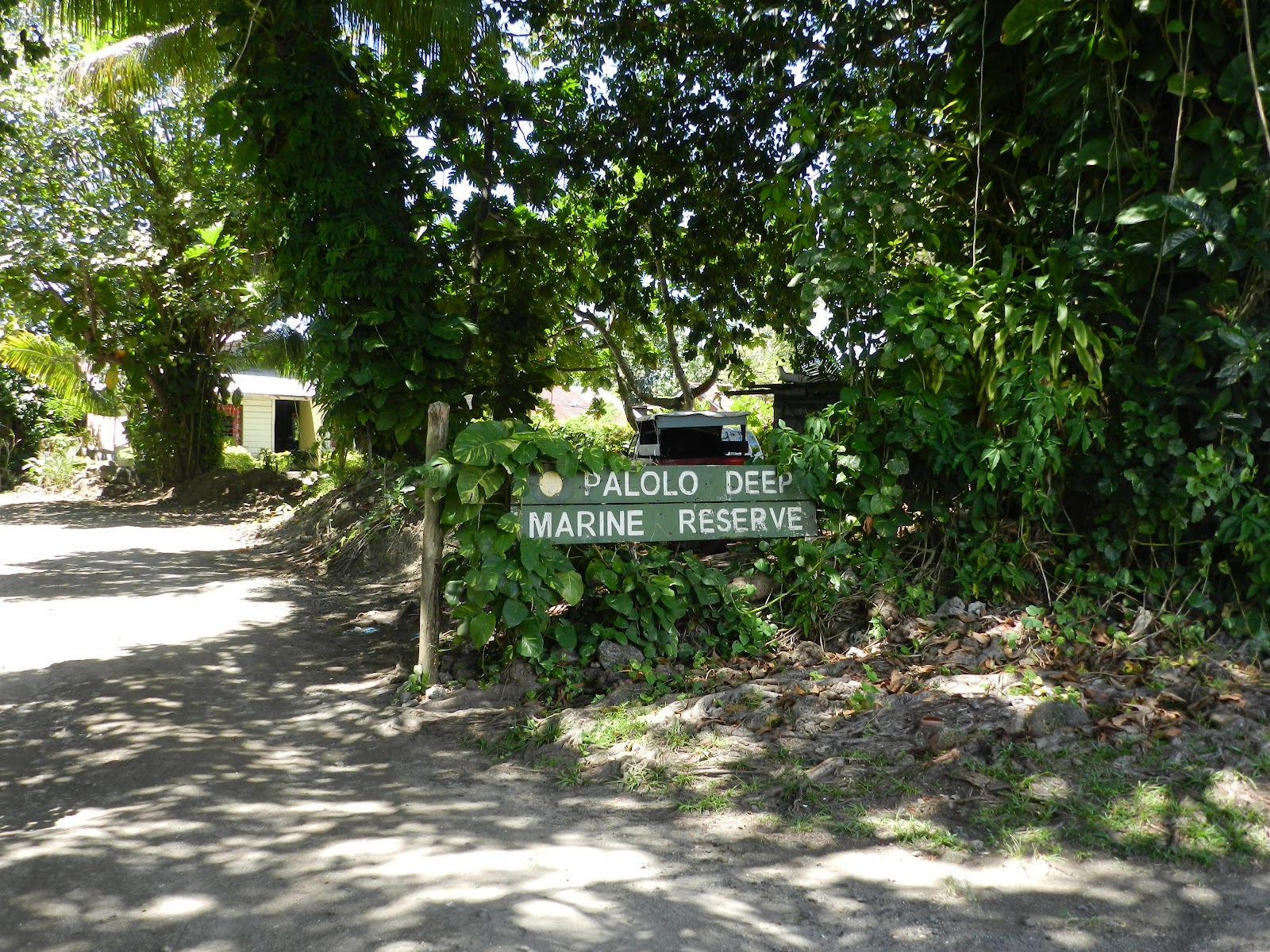
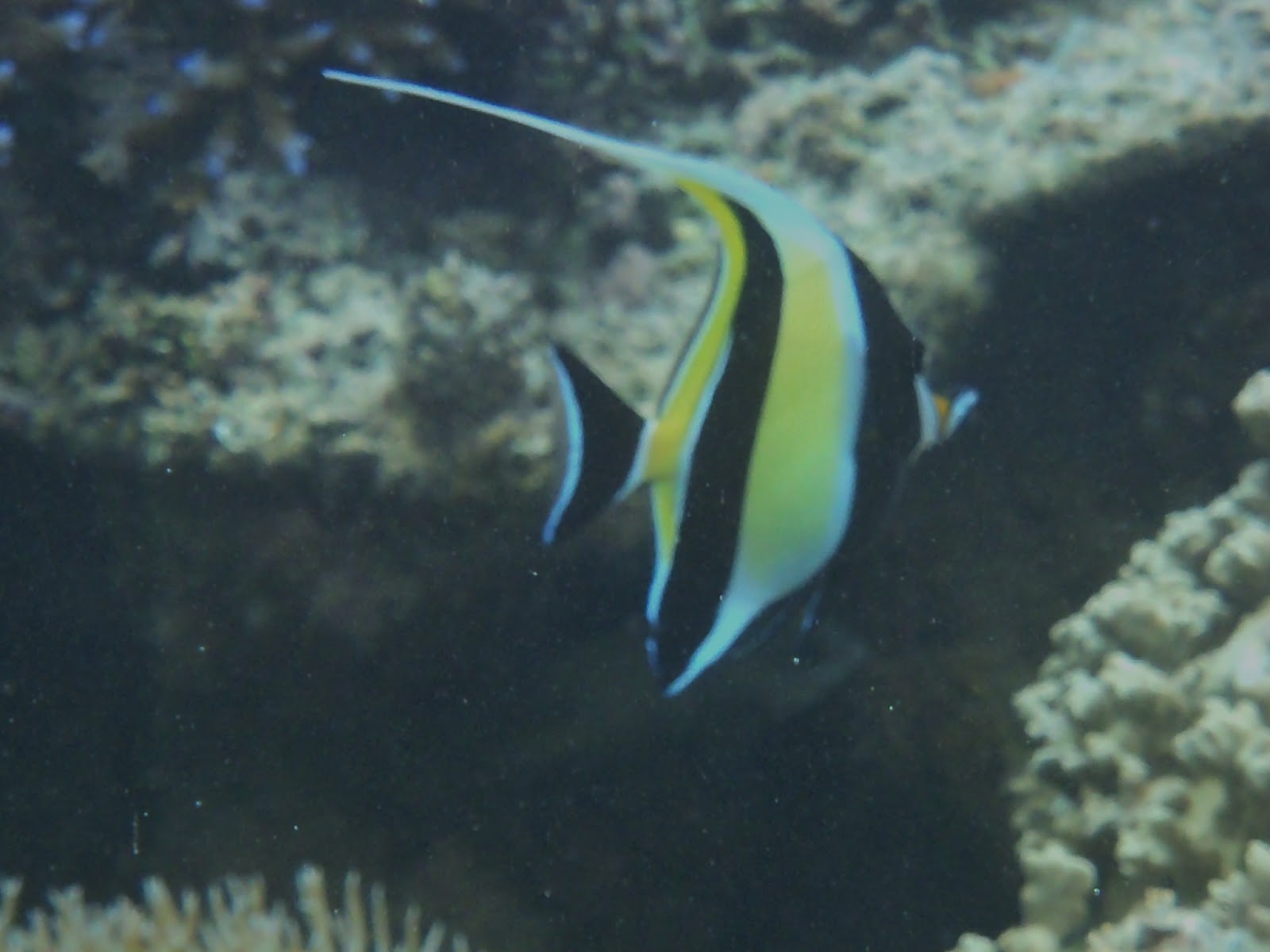
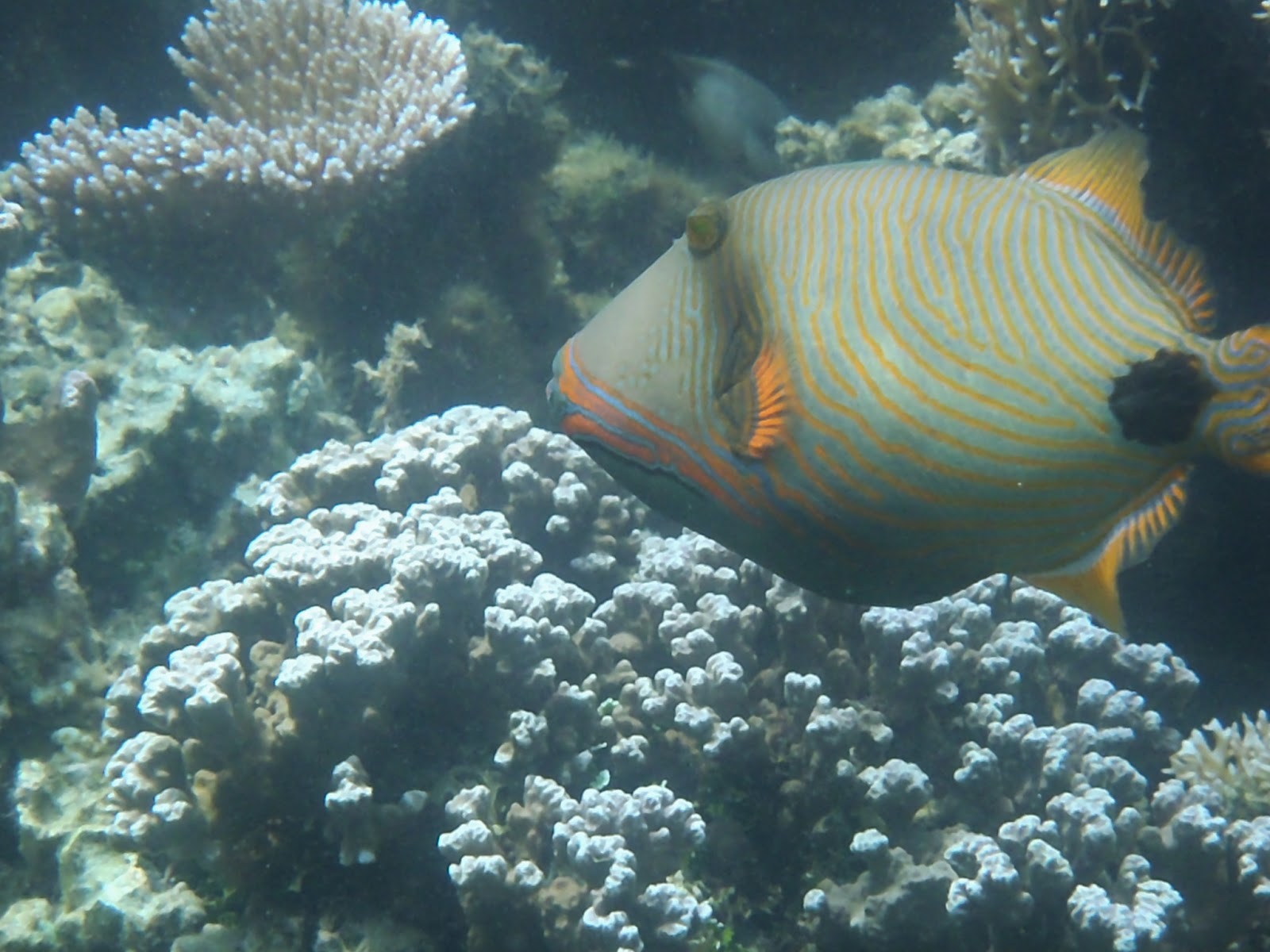
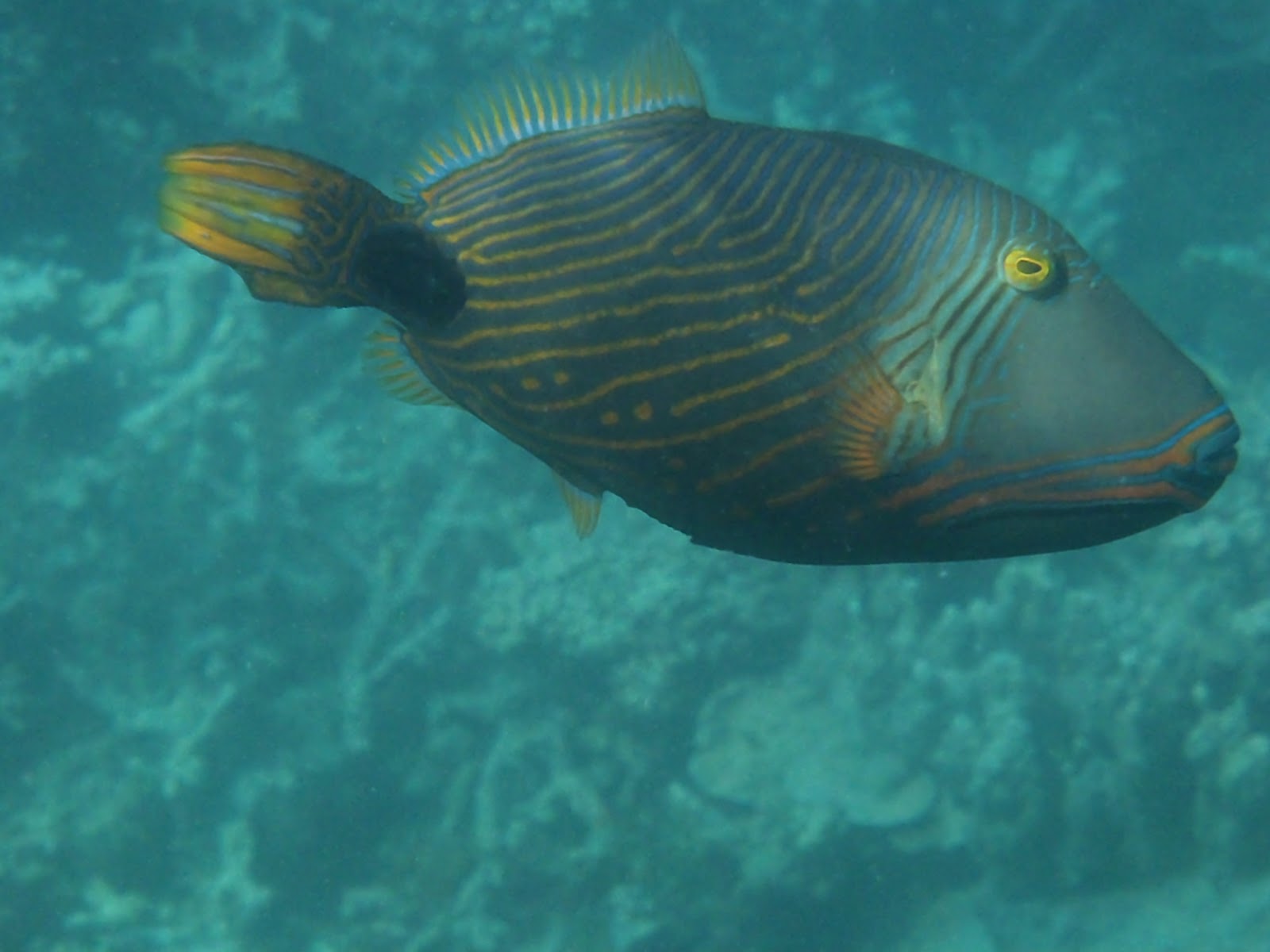
About a 10 minute walk from our hotel in Apia, was Palolo Deep Marine Reserve. I went snorkeling every day and just loved it!
Palolo Marine Reserve, Apia, 'Upolu, Samoa

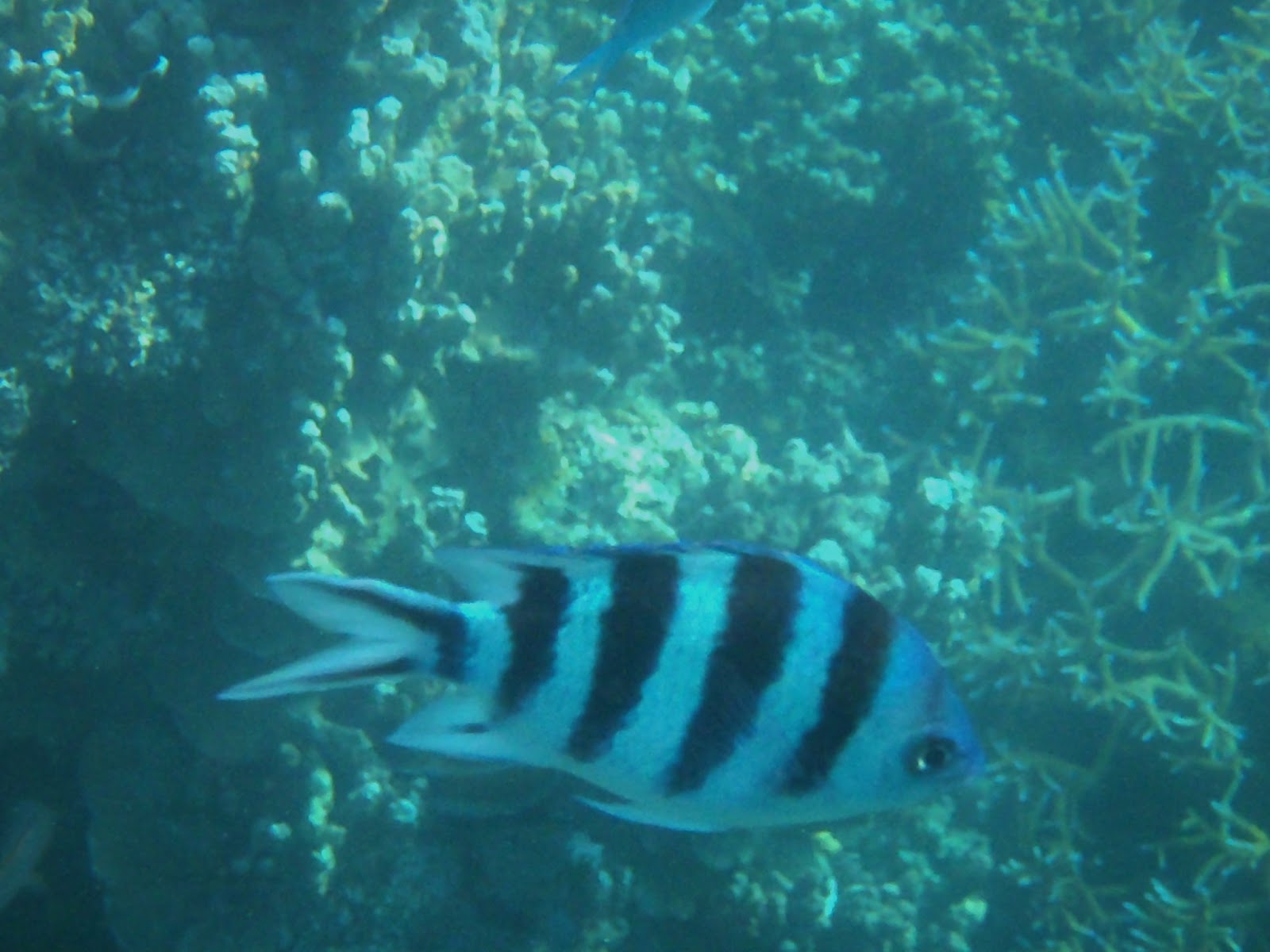
One of the things that I loved, aside from everything, was floating and staying still while these schools of little blue fish swarmed all around me. These little guys were generally out at the edge of the reef as it dropped down into deeper water. I tried taking several movies and photos of these fish, but that experience remains one of the most powerful and one of the most difficult to capture in images.

Palolo Marine Reserve, Apia, 'Upolu, Samoa

All my life I have had dreams about aquariums. Often, they would be neglected, I would have forgotten that I had them, sometimes the fish might even have gotten out of the tank and I would have to put them back, care for the tank and try to remember to take care of all these wonderful and strange creatures. I always imagined that these dreams represented finding lost or forgotten aspects of myself. I always had an exhilarated feeling of excitement that overpowered the feelings of guilt that I had neglected these animals in the dream.

Palolo Marine Reserve, Apia, 'Upolu, Samoa

Palolo Marine Reserve, Apia, 'Upolu, Samoa

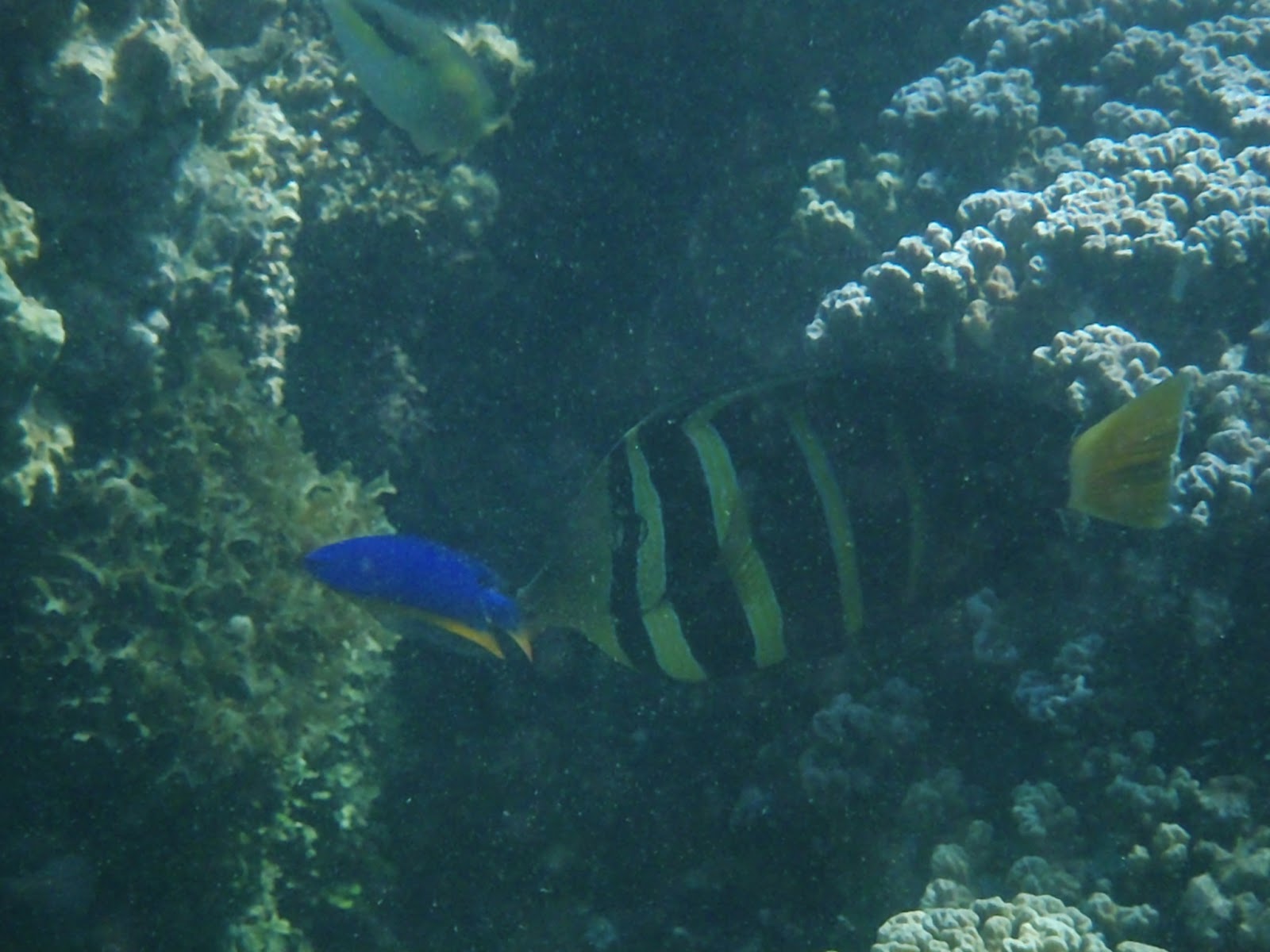
After a few days of snorkeling, I started trying to figure out, in words, what it was I enjoyed so much about it.  Definitely there was the adventure, the excitement, of finding strange and beautiful creatures. There was a feeling of danger and fear, of what I might find that I didn’t want to find, e.g. a shark or a rip tide. There was also a feeling of having to be deeply in flow and harmony with the currents, the reef, and the fish as I navigated through, at times shallow waters without much maneuvering room, and other times, very ample space, too much space, as I worked to not drift out into the deep unknown and stay close to the edge of the reef. I noticed how the fish reacted to me.  Some quite curious like the little blue and the blue and black fish, others quite shy and difficult to photograph, like the parrot fish and some sort of long-nosed fish that always seemed to scoot away when I tried to get a good photo.

Palolo Marine Reserve, Apia, 'Upolu, Samoa

Eventually, I started to think about snorkeling as a trip into the unconscious, much like my recurrent dreams of aquaria. Peaceful and exhiliarating at the same time.

Palolo Marine Reserve, Apia, 'Upolu, Samoa

Palolo Marine Reserve, Apia, 'Upolu, Samoa

And for some reason, floating in the midst of a school of little bright, blue fish was one of the most fantastic experiences in the water. Like so many sparkling thoughts and ideas with my ego balancing and buoyed in the midst of all this activity. There was always more than I could consciously take in, more than I could see, always one more surprise, one more amazing fish, one more amazing underwater vista or panorama, continuously unfolding around me as the current pulled and tugged me one way then another.

“The sea is like music; it has all the dreams of the soul within itself and sounds them over. The beauty and grandeur of the sea consists in our being forced down into the fruitful bottomlands of our own psyches, where we confront and re-create ourselves,”

(C.G. Jung, p. 47, Carl Jung:  Wounded Healer of the Soul, by Claire Dunne)

Samoa

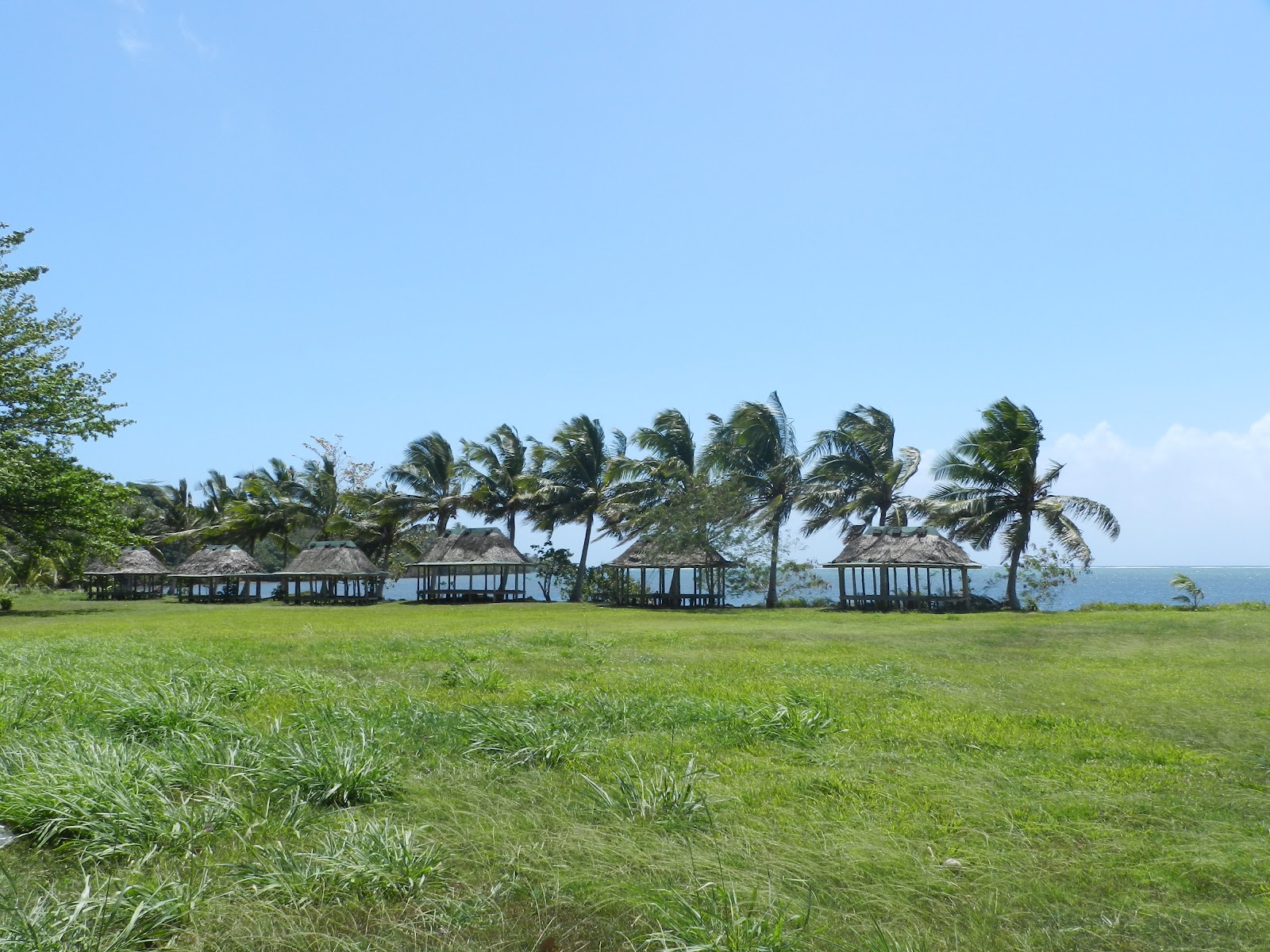
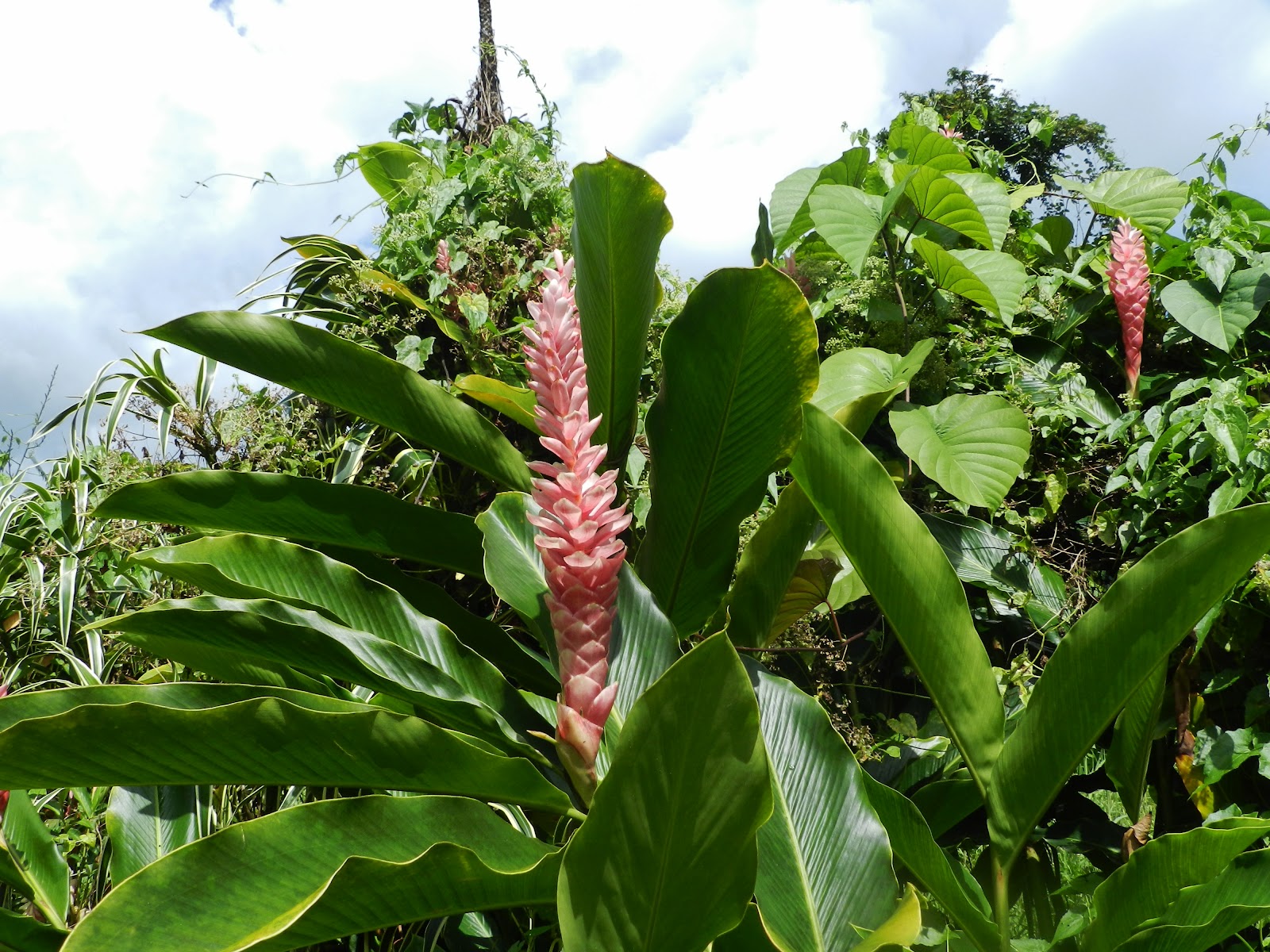
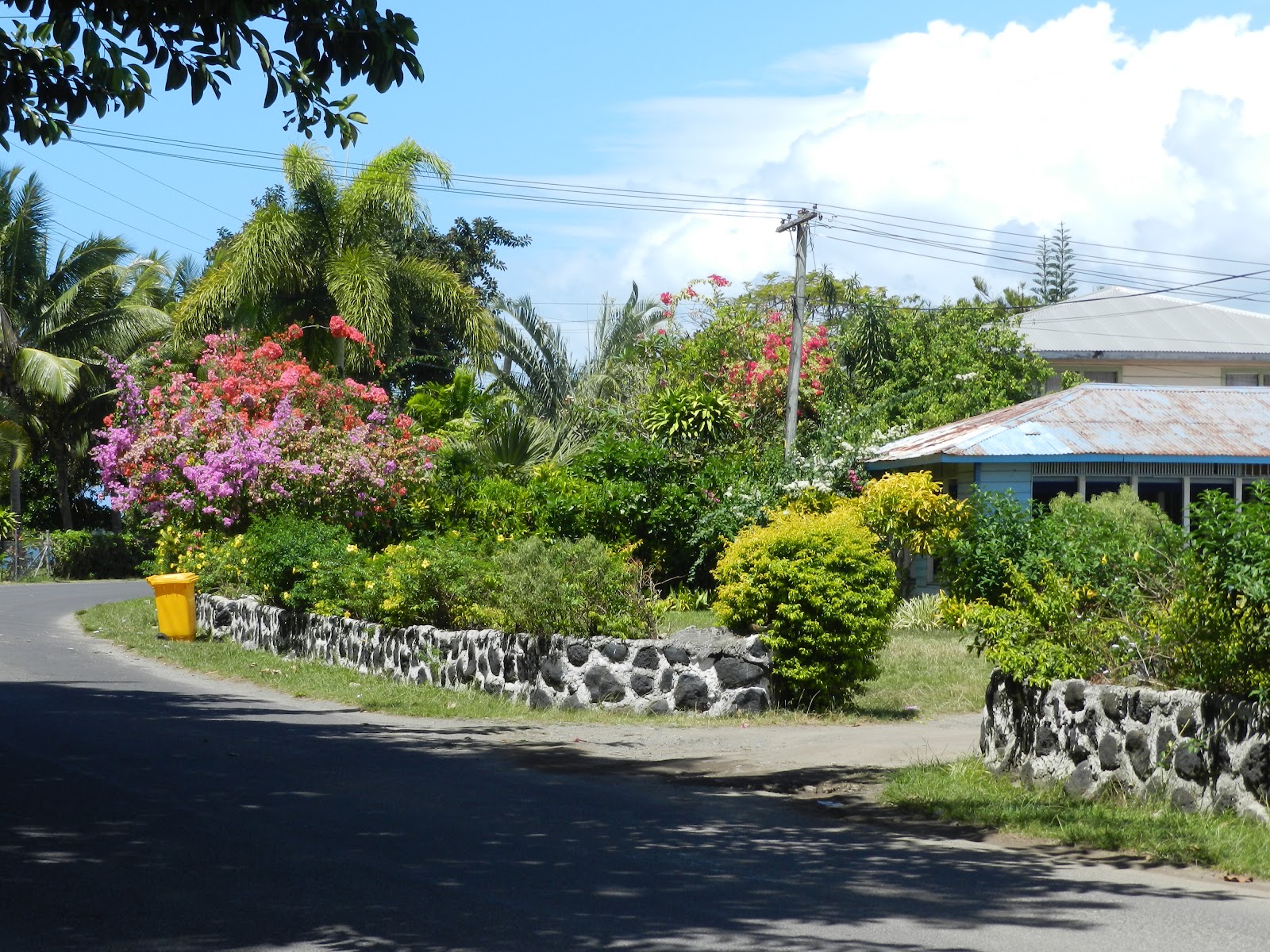
Here are a few photos from our recent trip to Samoa. Samoa is about 3.5 hour flight from Auckland, and the population of the two large islands is about 180,000. We stayed mostly around Apia, the largest town, on the island of ‘Upolu. We drove out to Lalomanu on the Southeastern tip of ‘Upolu, went for a swim and snorkel, and then drove back up the Cross Island Road. We stopped at a few waterfalls along the way…

Samoa

Samoa

Samoa

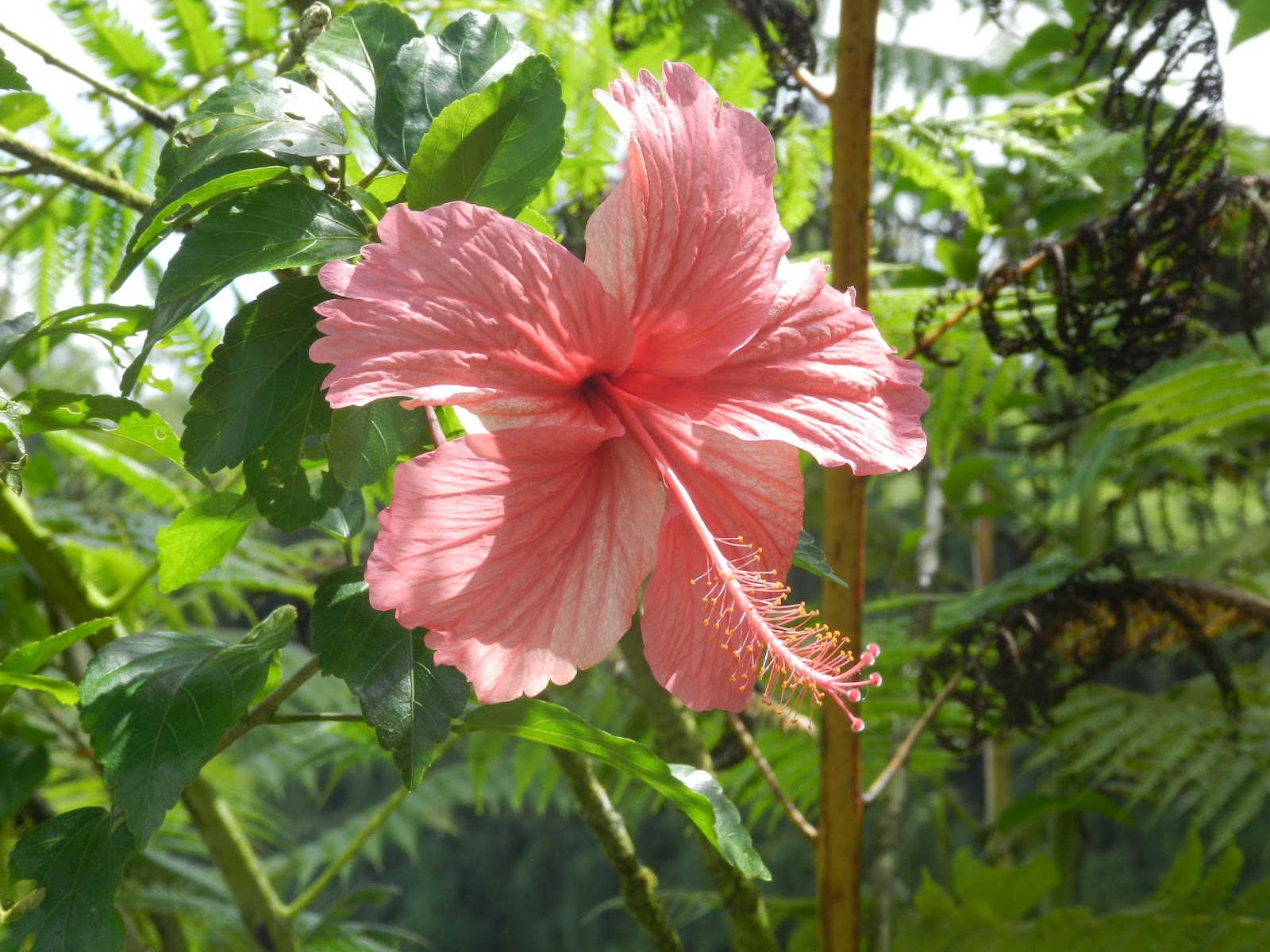
Orchids at the Piula Cave Pool

Samoa

Samoa

Samoa

Samoa

Samoa
Fuipisia Falls
Samoa
Samoa