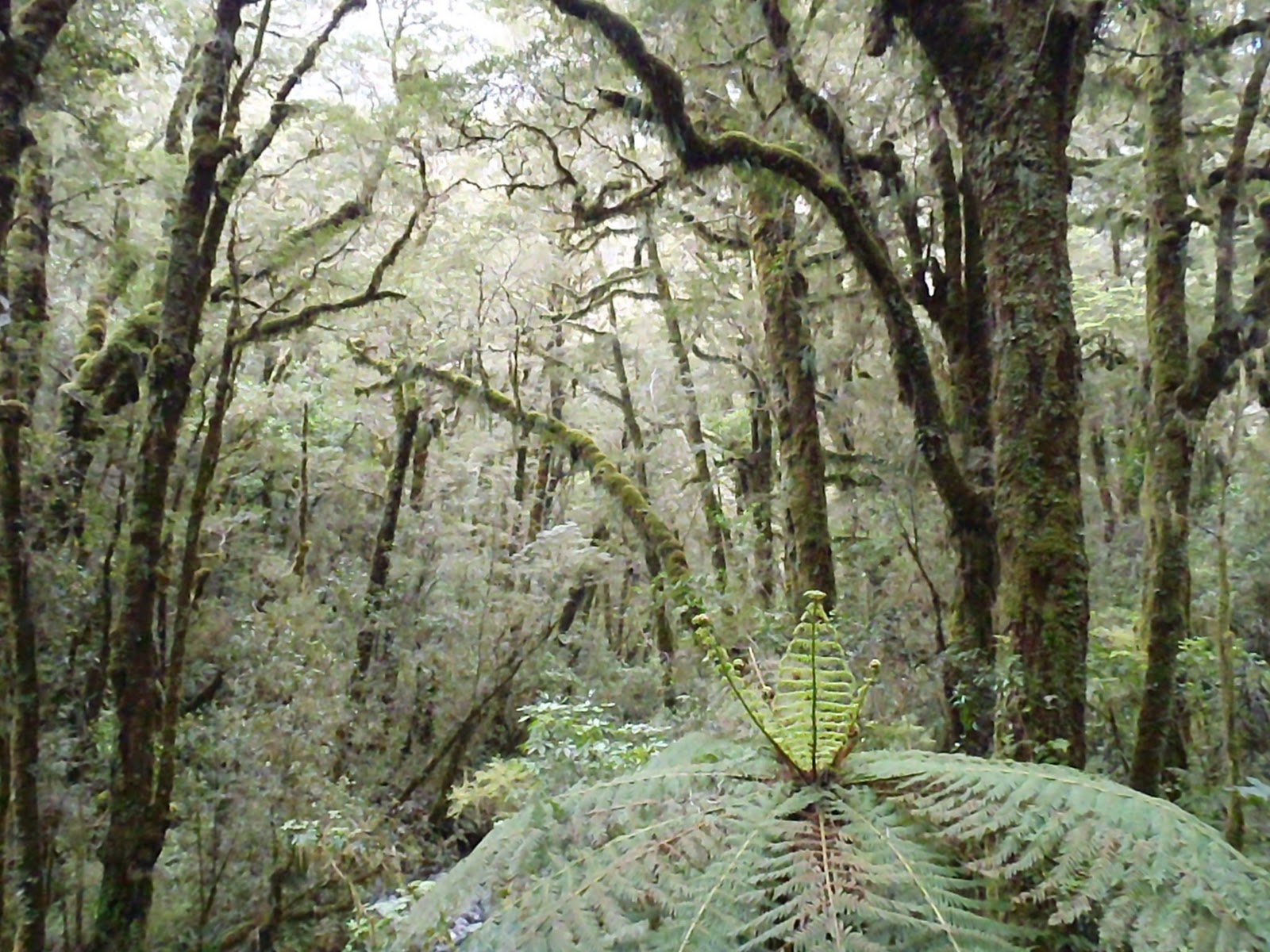
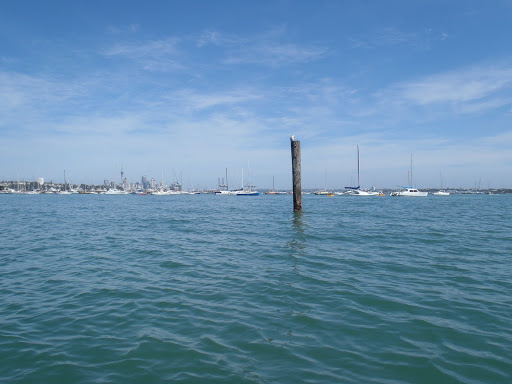
“Exploring the world is one of the best ways of exploring the mind, and walking travels both terrains,” (Rebecca Solnit, Wanderlust, p. 13).
Category Archives: Being in the World
Hope
“The kind of hope I often think about (especially in situations that are particularly hopeless, such as prison) I understand above all as a state of mind, not a state of the world. Either we have hope within us or we don’t; it is a dimension of the soul; it’s not essentially dependent on some particular observation of the world or estimate of the situation. Hope is not prognostication. It is an orientation of the spirit, an orientation of the heart; it transcends the world that is immediately experienced, and is anchored somewhere beyond its horizons. Hope in this deep and powerful sense, is not the same as joy that things are going well, or willingness to invest in enterprises that are obviously headed for success, but, rather, an ability to work for something because it is good, not just because it stands a chance to succeed,” (Vaclav Havel, Disturbing the Peace).
I love this quote by Havel. I like how it describes hope as a moral choice that is independent of the external situation. It reminds me a little of faith, but not quite the same. Havel’s description seems like more of a choice than faith does. One thing that this quote does, for me, is it preserves the right of the individual to choose what is right and what deserves to be worked for, regardless of the dimension of how likely it is to succeed.
I just finished reading Rebecca Solnit’s book, Hope in the Dark, in which she cites the above quote by Havel. The quote doesn’t appear until page 148, but it seems to inform a thread of Solnit’s argument from the very beginning. “To hope is to gamble. It’s to bet on the future, on your desires, on the possibility that an open heart and uncertainty are better than gloom and safety. To hope is dangerous, and yet it is the opposite of fear, for to live is to risk…Hope just means another world might be possible, not promised, not guaranteed. Hope calls for action; action is impossible without hope,” (Solnit, 4-5).
Another thread in Solnit’s book is of darkness, which is not necessarily the typical way that darkness is thought of. She writes that the “future is dark, with a darkness as much of the womb as of the grave,” (6). This darkness is more of the creative void than the destructive void. It is this embrace of generative uncertainty that also runs through the book. This reminds me of the dark matter of the universe, that unseen substance that physicists can measure that seems to make up all the empty space between things in the universe. I can’t remember for sure, but maybe it is something like 85% of matter in the universe is unseen matter, maybe it is even more than that. But, what is all this dark, unseen matter doing? I like to think that it is somehow invisibly guiding and shaping the tip of the iceberg of matter that we can see. We can bemoan the visible catastrophes, but all is not lost. Just like the iceberg metaphor, Solnit argues for a cognitive restructuring, do we focus on only what is going wrong in the world, or do we focus also on what is going right. Or, even do we focus on how things could have been an even bigger catastrophe than they are?
Solnit introduces the Angel of Alternate History. As compared to the Angel of History, who mostly counts bodies, the Angel of Alternate History focuses on that dark space that surrounds the actual and sees the possible. “The Angel of History says, ‘Terrible,’ but this angel says, ‘Could be worse.’ They are both right, but the latter angel gives us grounds to act,” (76).
Another way of looking at this cognitive re-structuring is that we have to count victories as well as catastrophes in our analysis of the world. Solnit provides criticism of the tendency toward pessimism and catastrophizing of many activists and the Left in the US. She describes such paradoxical victories as the role of Viagra in saving species that were previously used in for increasing sexual potency in Chinese Medicine and how some military bases have inadvertently become safe havens for endangered species.
Another critique Solnit discusses is that of the end of the need for activism, or the desire to “go home,” after the protest. In a way, this mindset looks at attention, awareness, and activism as only being necessary to re-set things or make it happily ever after, and then to turn off awareness and to let go of engagement. Rather, she sees activism as a mode of being, a moral responsibility, that is ongoing, and that one engages in regardless of the “state of the world,” or the “chance to succeed,” to refer back to Havel, again. The need for engagement never ends. “Still, I use the term activist to mean a particular kind of engagement – and a specific politic: one that seeks to democratize the world, to share power, to protect difference and complexity, human and otherwise,” (18). “For a long time, I’ve thought that the purpose of activism and art, or at least of mine, is to make a world in which people are producers of meaning, not consumers, and writing this book I now see how this is connected to the politics of hope and to those revolutionary days that are the days of creation of the world,” (115).
Solnit also quotes the Zapatista Subcommandante Marcos throughout the book, who apparently publishes manifestos over the internet. For some reason, I found these to be a kind of eloquent comic relief, not because the content wasn’t serious, maybe even because of the seriousness of the content, but with their ease and fluidity of language and the sense of spontaneity, creativity, and even joy that seems to flow through these declarations. “A new lie is being sold to us as history. The lie of the defeat of hope, the lie of the defeat of dignity, the lie of the defeat of humanity…In place of humanity, they offer us the stock market index. In place of dignity, they offer us the globalization of misery. In place of hope, they offer us emptiness. In place of life, they offer us an International of Terror. Against the International of Terror that neoliberalism represents, we must raise an International of Hope. Unity, beyond borders, languages, colors, cultures, sexes, strategies and thoughts, of all those who prefer a living humanity. The International of Hope. Not the bureaucracy of hope, not an image inverse to, and thus similar to, what is annihilating us. Not power with a new sign or new clothes. A flower, yes, that flower of hope,” (cited, 39-40).
Overall, it seems that Solnit’s argument for hope lies in looking at things differently, refusing to despair, seeking engagement in art, activism, and life, and accepting uncertainty (the darkness that obscures) rather than demanding a certain outcome. This again reminds me of this central Havel quote, which connects a human being to themselves and refuses to let external events dictate whether or not one can hope to make things better or even hope to have one’s own vision of life.
One last thing I’ll touch on here is a small way thing that I find hopeful. As someone who is concerned about the health of the environment, Solnit engages and relates to the natural world and refuses to disconnect from that. After reading Hope in the Dark, I started reading Emerson’s essay, “Nature,” which I don’t think I ever read before. A few thoughts have been coalescing for me. As I sat reading Emerson, drinking a cup of coffee at a cafe, gazing out the open window at the ocean which is right across the street from where we live, I thought, I should really get out into nature more – and it struck me that living on the ocean is perpetually being on the edge of nature, even though this is a pretty happening place, bustling, full of continuous human activity, it is in constant relationship to that great and restless body of water, constantly moving in and out. “The beauty of nature reforms itself in the mind, and not for barren contemplation, but for new creation…The production of a work of art throws a light upon the mystery of humanity,” (Emerson, p. 41, in The American Transcendentalists). Emerson argues that “words are signs of natural facts, particular facts are symbols of particular spiritual facts, and nature is the symbol of spirit,” (42). At first, I was taken aback by this, it seems he is arguing that the natural world and the internal, cognitive and spiritual world are reflections of each other. Oh, ok, that old “as above, so below” congruence between things. Maybe even more. I have read in a couple of different sources now about the finding that there is a 10 hertz electromagnetic current that pulses throughout the Earth and that 10 hertz is also the “dominant (alpha) frequency of the EEG in animals,” (Robert O. Becker, The Body Electric, p. 249, in the chapter, “Breathing with the Earth,” which discusses this concept in depth). What this seems to mean is that living beings contain within them an echo or correspondence with a common electromagnetic current of the Earth. It seems like an instance of “as above, so below,” or maybe, rather, as without, so within.
James Oschman, in Energy Medicine: The Scientific Basis, also writes about this, the Schumann resonance, which “is a unique electromagnetic phenomenon created by the sum of the lightning activity around the world,” (99). The Schumann resonance is 7-10 Hertz in frequency, just like the alpha waves of animal brains. Also, Oschman cites a study of various healers who had their brain activity recorded on EEG and when they went into a “healing state” had activity in the 7.8-8.0 Hertz range (107). Additionally, Oschman cites studies that show that have measured healers whose hands generate electromagnetic fields ranging from 0.3 – 30 Hz, which could be seen to vary around the 10 Hz frequency of alpha brain rhythms and this particular background pulse of the Earth (Oschman, 87). Oschman suggests that a mechanism of various healing modalities is a supportive “therapeutic entrainment,” in which the healer amplifies this electromagnetic rhythm of the Earth and that this is healing by resetting the natural baseline rhythm in the person being worked on. It is easy to imagine that through the daily stresses of life (or even longer term maladaptive patterns of living) that one could lose touch with the natural rhythm of one’s own body, which also corresponds to the natural rhythm of the Earth. Getting back in touch with nature, in this light, could really, truly have a healing effect on one’s biorhythms.
Maybe all this might seem far-fetched to you, but it is what sprang to my mind as I was reading Emerson and his argument that nature is a symbol of the spirit. The transcendentalists refused to buy into the split between mind and body and the individual and the natural or social environment. Another way of stating this could be that nature and spirit both share a common origin, both are in relation and communication with each other, and both enhance each other. Nature and spirit are reflections of one another. Rather than a separation between mind and body, or individual and environment, there is a resonance between all the different things that we divide from each other and with our intellects imagine as separate. Lately, when I feel particularly out of synch in my life, I have been imaging this great, pulsing rhythm of the Earth and looking for the echo of it in my self. I find this comforting, even hope-inducing.
Facing Fear
One of my fears has been to be in a situation in which someone says, “Is there a doctor in the house?” My fear is that I will be the only medically trained person and that I will have to face embarrassment (or worse) as I find myself in a situation that I am not prepared to handle as a psychiatrist attempting to face a medical emergency.
Well, I recently faced this fear.
My parents visited recently and we went out to Tiritiri Matangi, an island in the Haurakai Gulf outside of Auckland that has been established as a bird sanctuary. We were in the gift shop when a tour guide came running in and said, “There has been an accident.” I tried to listen as he spoke in hushed tones to one of the managers of place. I stood there, wondering if I should speak up or listen more. The manager came up to me and said, “We need a doctor,” to which I said, “I am a doctor, well a psychiatrist, it has been awhile since all the blood stuff, but I’ll help if I can.” Actually, I can’t remember how much of that I thought and how much of it I said.
It turns out that she then remembered me from a conversation we had when I had been out to the island the first time about 6 months ago. We raced off in a truck and then walked a little way down a path. There an older woman was lying flat on her back where she had fallen backwards and landed, full force, on the wooden walkway. Mostly, I just talked with her and held her hand. She could move all her extremities, she had feeling in her hands and feet. She did have a burning pain along her cervical and thoracic spine and she had tried to turn her head earlier and that made the pain worse. As I said, I mostly just talked with her, encouraged her to stay calm, distracted her at times from her pain with humor or questions about her family, and stayed with her while the rest of the staff on the island arranged for a helicopter to come out with paramedics.
After about 20-30 minutes (hard to judge time in these situations), we heard the helicopter circling. I assumed that a staff member would go up to a place that seemed like a good landing site up the hill, but that turned out not to be the case (learning point if I am ever in another helicopter evacuation situation). Instead, the helicopter kept circling looking for us. Some of the staff shouted, waved things in the air, but we were sheltered under small trees. Eventually, one of the staff climbed up a tree and got the helicopter pilot’s attention. I still kept thinking they would land up the hill and walk down, as that was the plan that the staff had discussed. Instead, the helicopter seemed like it was going to land right on us! The sound got louder and louder and the wind started to pick up with dirt and leaves blowing everywhere. I just tried to keep the woman’s face covered as she couldn’t really move to do that herself. This seemed to go on forever, this buffeting wind and noise of the copter right above us. Eventually, I glanced up to see that a paramedic was rappelling down a rope to us. It was a relief for him to get there and I watched attentively as he took her blood pressure, gently checked her neck and head and then put an immobilization collar on her. Each of us took a shoulder, hip or leg and gently lifted her up and another person slid a stretcher under her. We then carried her up to where the helicopter had landed up the hill. They drove me down to the dock and I joined my parents on the ferry which was just about to depart to head back to Auckland.
The strange thing is that I felt really good about the whole thing. I really felt that the woman would be fine and the paramedic had said the same thing, that he was just immobilizing her to be cautious and on the safe side. I felt that my medical, and really even more, my psychiatric training had prepared me to just be with her and to recommend she stay still until more intensive medical help arrived. I felt like I had really helped another person in a difficult situation.
Since moving to New Zealand, I have really often wondered, “what the heck am I doing here?” Also, “are all my efforts and energy really helping anyone? And sometimes, I have even wondered, “Is the way I am responding to people and systems issues in this new country not just making not things better, but am I even making them worse?” Somehow, helping this person seemed to give me an inner sense of certainty and a conviction that I can help people and that is a worthwhile thing to do. Even if I am not sure about my own life, my own direction, I can still be with someone to provide comfort when they are in pain and suffering. I helped and I was helped in the same situation.
Oddly enough, my own back had gone out a week before this incident and I had gone to the chiropractor. It went out again, to the point that I even missed work the past couple days and I have made several trips to the chiropractor and my awesome massage therapist. Since coming to New Zealand, I have had back problems, multiple types of skin problems, knee and hip problems, ear problems, lots of stress, sleep problems, and probably some other things that I am forgetting. At my most bleak, I find myself thinking, “That is it, I am falling apart, I am getting old, I will never be healthy again.” At my best, I think, “this is all a big, physical adjustment to moving to another country and my body is trying to re-equilibrate to this new land and to living in the Southern hemisphere.”
I am starting my new job tomorrow, Monday, and will be working part-time between my new job and part-time at my old job for about a 6 week transition. This is another big change going on in my life. I feel like I need to let go of everything I have been trying to carry at my old job, I guess that is how I look at these back issues and the timing of them where I had to take off part of my last full week at my old job. I have been trying to figure out how quickly to let go of certain things that I have taken on at the old job and having these physical issues has made it pretty clear that I need to stop carrying them around sooner rather than later.
All these physical issues have brought up this other fear, “what if my body doesn’t heal?” This, in turn, compounds my bigger existential questions I keep asking myself, “What am I doing here? What is my purpose? Am I doing any good? Am I causing harm? Am I making things worse?” All these physical problems are forcing me back to basics, trying to be patient and compassionate toward myself during this challenging transition.
Moving to a different country, even one as similar as going from the States to New Zealand, breaks all the old social support and even, I have found, has broken many of the social cues that I used to get feedback about how I was doing in my job. I have realized that this was a fear that I didn’t realize I would be stirring up in coming here, “what if I cannot do a good job?” I have been reminded of how I felt during medical school, where, as students, we were tossed in to new specialties and hospitals every few month or so and there was this constant learning curve of trying to figure out what my job was, how to do it, and if I was doing it well. I hadn’t felt this feeling and its attendant fears for some time. I had gotten to the point in my professional career where I felt pretty confident in my own abilities. Sure, I knew that I always went through a period of feeling “de-skilled” when I moved to a new job and tried to figure out how things worked and how to adapt to a new system that had different ways of doing day to day things, but I knew this gradually would ease over about 6 months at the job. But, here, in New Zealand, I have experienced this at a much deeper level as I have re-evaluated even my basic personality, my cultural assumptions (some of which I wasn’t even aware of), my philosophy of psychiatry, and my day to day functioning in the job. At times I have been able to fall back and find strength and certainty in myself, but other times I have fallen back and found rickety structures that did not seem to provide support, or worse, my old nightmare fear of losing my grip and falling and not being able to find internal or external support.
In my professional work, I am frequently telling people to face their fears and I know, intellectually that fears only get stronger the more one avoids facing them. My experience of moving to another country has, at times, really tested my intellectual commitment to facing fear. It is hard work. I am hopeful after having faced this fear of being the only doctor in the house. I am also very hopeful about moving to this new job. It really is a challenging task to restructure internally and externally to create new life in which I feel like I fit, that I am relevant, and that is a good balance of meaningful work, light-hearted play, and is filled with good friends.
I remember a quote of Philip K. Dick, that I’ll paraphrase as, “How can you become that which you are not? By doing that which you would never do.” I suppose this relates to facing fear.
New Job!
In addition to the major earthquake this week, I have a more minor shake up in my life as I am taking a new job.
The earthquake is still a major challenge in New Zealand. My sister-in-law and a friend were visiting and they were bumped off their flight this weekend because Air New Zealand was flying back 7 injured people to either the States or England. I recently heard that 4300 people have come up to Auckland from Christchurch. There was also an article in the paper about this guy who was lifting these big slabs of concrete off of some trapped people right after the quake. I saw the video and thought, wow, those must be some other material than what they look like, because he just picked up these slabs and moved them aside without seeming to exert much effort. Here is a link to the New Zealand Herald if you are interested:
My new job is at Buchanan Rehabilitation Centre, which is an inpatient/residential centre for 40 clients who live there. The model is a very positive and hope-inducing one that gives intensive support in a holistic framework. There is a gardening program there where clients can learn to grow plants that are then planted and cared for at various sites in the community. It is also very multi-disciplinary in its focus, with a lot of group work and it is aimed at helping people get back on a developmental track in their lives and to be less stigmatized and identified as “mental patients,” and encouraged to move beyond or through their illness experiences. I am really excited about working there. I’ll be starting part-time work there in March, increase my time further in April, and then I’ll be working 4 days a week there in May, one day a week I will be taking off for writing, and I will be ending my work at the community mental health centre.
I have had a really challenging time working at my current job. It has been difficult for me to sort out what are problems at the sub-culture level and what are larger issues with the practice of psychiatry in New Zealand. When I was at my interview in Christchurch as part of my credentialing for the Medical Council, I was told that over 50% of psychiatrists pracitising in New Zealand are internationally trained. That means that the norm is that a psychiatrist in New Zealand is from another country. That makes for a very interesting and diverse work environment, but it could also contribute to a degree of transience in the work force and has a number of challenges for New Zealand in structuring and operating mental health treatment.
At this point, I am really glad to be leaving my current job. I have put in a lot of time and energy and taken on various projects to work toward changing the work environment there. It is really challenging to be working in a system in which the staff are resistant to change, and negative, also, there are various administrative level challenges as well. The more I learn about Buchanan, the more of a sense of relief I feel. My own holistic approach should be very welcomed there and also seems very similar to the therapeutic approach used there. Here is a short article, from an old newsletter, that gives a brief overview of BRC. It is on page 5 of the newsletter.
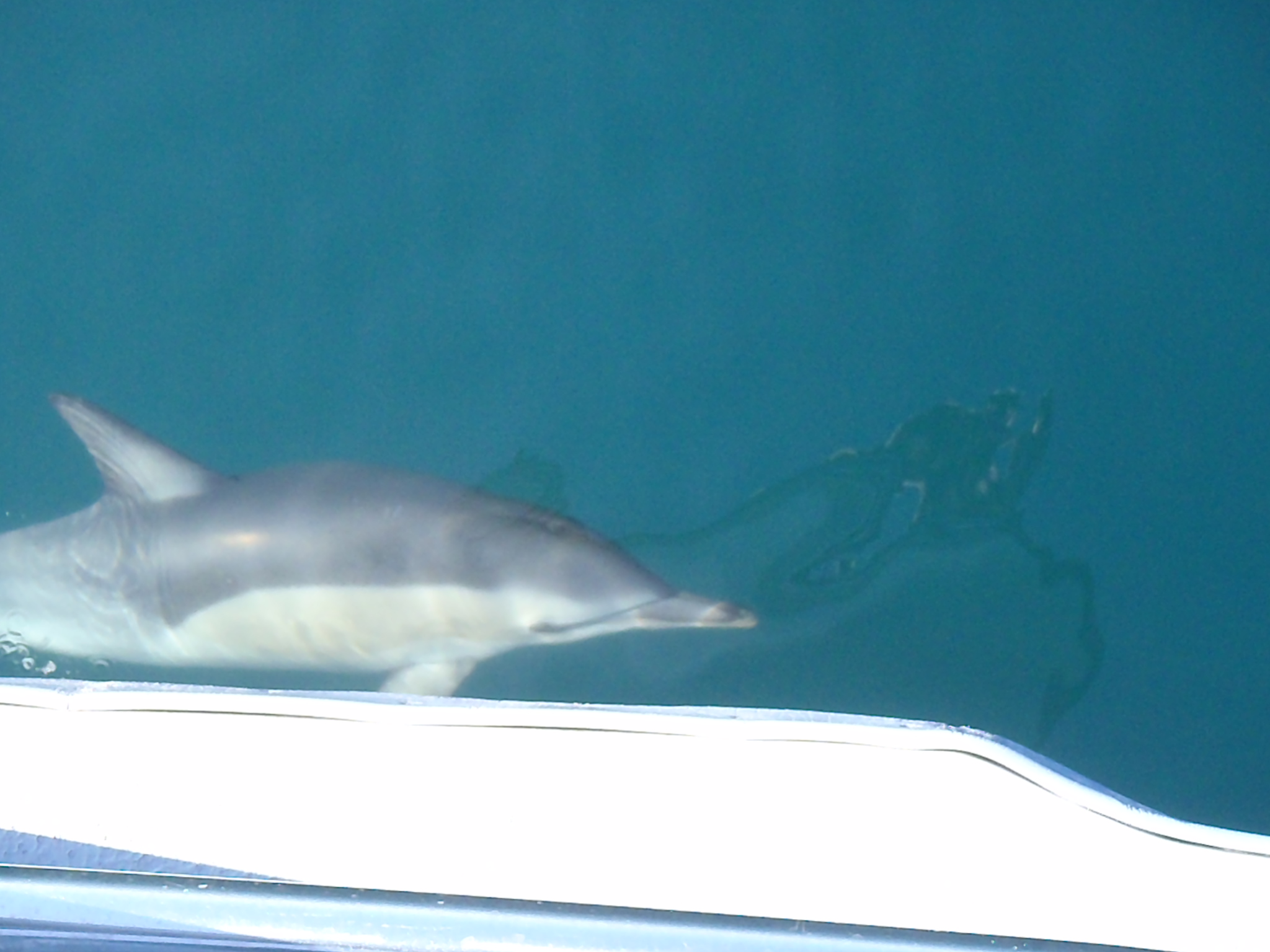
I know this blog post is a little all over the place, talking about my job and the earthquake, so in honour of that all-over-the-place energy, here are a couple dolphin photos from the boat trip we took a couple weeks ago.
We are ok in Auckland
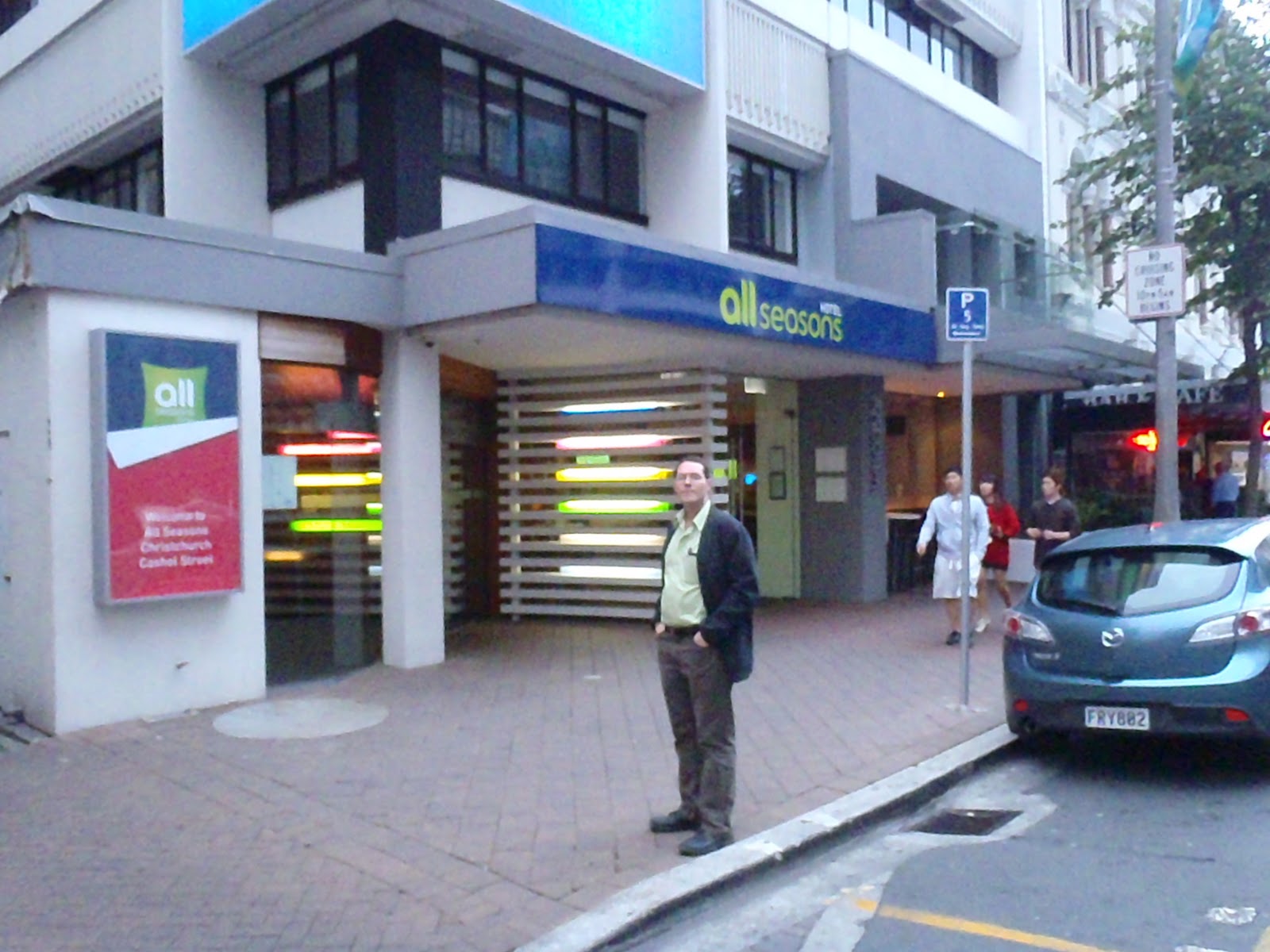
Mary Pat and I were just in Christchurch about 2 1/2 weeks ago. I had to go down there for the last stage of my credentialing process with the Medical Council of New Zealand. The interview went fine, but we were on edge as they city was still having some significant aftershocks – they had a 4.5 quake earlier in the day before we arrived.
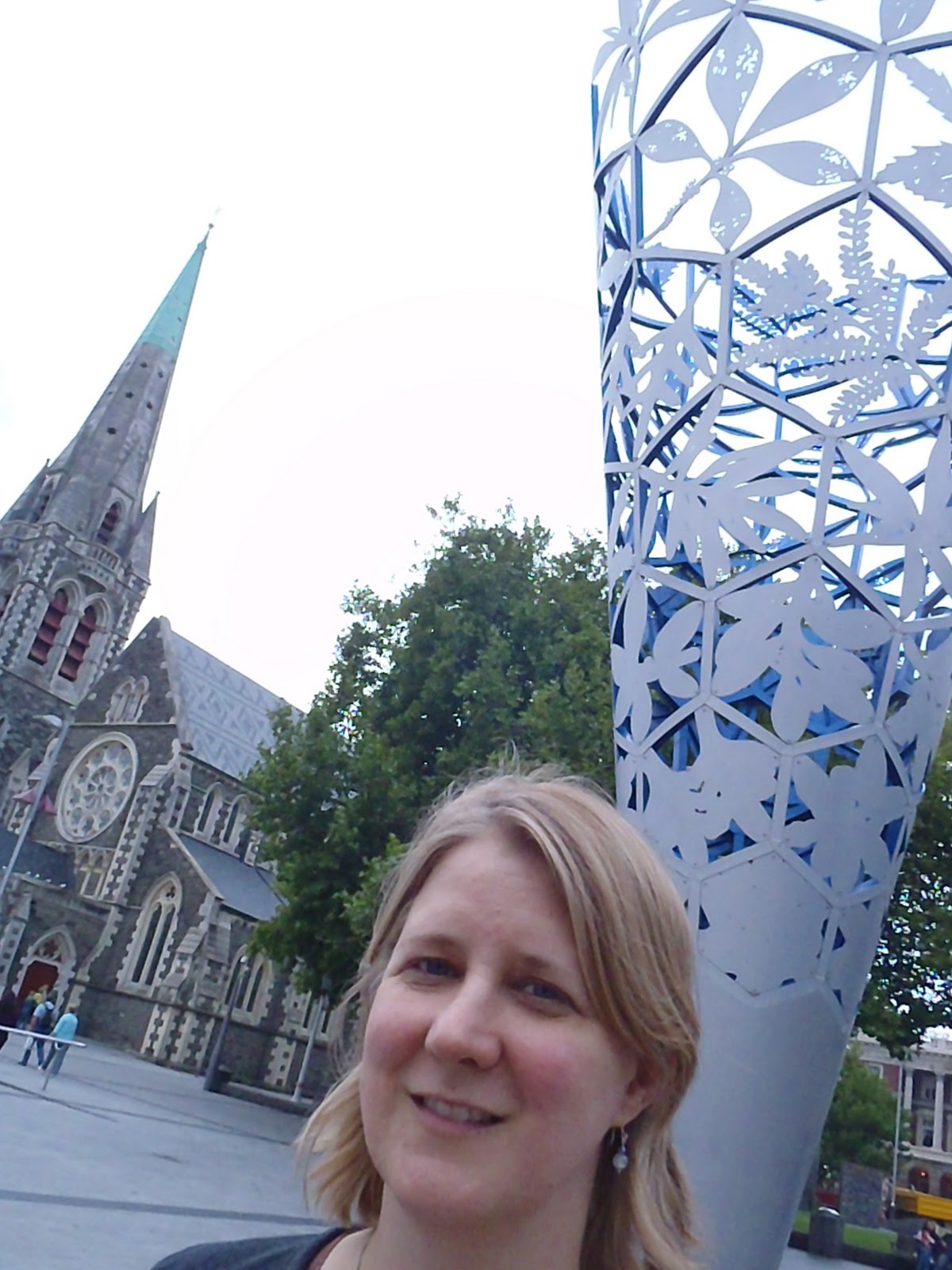
We took a few pictures in the square, near where the cathedral tower collapsed. We were struck by how many businesses were still shut down after the quake last September. We saw a few buildings that looked pretty seriously damaged. One, in particular, had huge cracks in it and had these large metal rods propping up the corner of the building. Before this most recent quake, the city was obviously damaged, but was still, overall, quite lively and bustling.
We didn’t feel anything from the quake up here in Auckland, on the North Island. We do have a lot of people we know who are visiting New Zealand right now, but luckily, none of them were in the Christchurch area.
The country is really focused on the quake, Christchurch is the second largest city in the country. The news is running without any commercials, just non-stop updates and new film footage. I don’t think anyone died in the September quake, but there are estimates of at least 100 people who died in this quake. 80 percent of Christchurch is without water now. Power is out for about 50% of homes. Workers are still trying to find out if people are alive under the rubble.
I’ll post a few photos of our recent trip to Christchurch. It is strange to see us having such a good time in a landscape that is now dramatically changed. The church in the photo behind us is the one that the steeple collapsed:
Here is a link that shows the church from above, with the damage to the steeple.
We have been getting a lot of email inquiries to make sure we are ok. We are ok, but the situation in Christchurch is serious. We appreciate everyone sending their thoughts.
Fitting In and Not Fitting In (revisited)
So, I thought, maybe I can just do a few revisions on this old presentation and get it out there in print somewhere. I remembered a link someone had sent me about an on-line medical humanities journal. I looked up the submission requirements and it says that articles should be less than 2000 words. My paper is about 5000 words. I just did a bunch of revisions and it is now 3771 words.
I don’t think I can cut out another 1771 words and keep the spirit of the original paper. Once again, something not fitting in. I just set it aside, for now, with ideas of going back to working on the book, or maybe doing another draconian round of revisions (which would realistically mean dropping out at least one whole section of the paper, which means dropping out a whole segment of concepts that were introduced), or, maybe, just writing a piece with the aim of trying to distill the essence of the paper into 2000 words. It is frustrating, particularly as one of the themes the paper deals with is in trying to preserve the complexity of human emotion, feeling, and relating in the face of forces which try to reduce human interaction to acronyms, protocols, and procedures.
This frustration of yet another thing not fitting in is not an isolated issue. I have four computers (my work computer, an older laptop I kept at home with all my private practice clinical information backed up on it, the desktop computer I bought for my office assistant, and my personal laptop that I use for writing that doesn’t have confidential information on it). We have four printers (my home printer, my office printer, Mary Pat’s old home printer, and a new printer that she bought that is compatible with New Zealand electricity of 220 volts (US is 110 v). (You can skip this next part if you already get the big picture). My personal laptop works on NZ current and communicates with my printer, but it doesn’t have any of my practice information. I have to get working on US and NZ taxes, so I needed to get my work desktop computer to run on NZ current. I looked into buying a converter that would work for it, but had a couple of recommendations that I just have the power supply switched out. I did that, there were various problems…eventually I had a new exterior case for the computer, it runs on 220 v, but not all of the USB ports work with it, also, it is not compatible with the printer because it is a newer printer and I can only find a Windows Vista installation disk and the computer is Windows XP. (Also, I can link to the internet with my laptop, but haven’t figured out how to do that with either of my desktops to download printer drivers). Incidentally, my printer (the one that does run on NZ current, the other – my office printer – does not) has decided it doesn’t want to print in black since it got off the boat in NZ. I can’t print my tax information or business information. My work laptop stopped backing up properly in July of 2009 and I was never able to get that sorted out through the support team. My newer desktop computer, which is Vista, doesn’t have all the practice information I need. Also, it has decided that it has an unauthorized version of windows. It seems to work fine, but I have to go through a whole series of pop-ups every time I turn it on. I think I have made the dilemma clear enough. Maybe you are thinking I shouldn’t have so many computers and printers. I agree. The fact is, I do, and to get the information, electricity, and printer to all be compatible doesn’t seem to be happening easily. Incidentally, another reason that I wanted to get my work desktop up and running is that it had all my old files from computer disks on it and was the only one that had a disk drive, and once it was up and running, I found the paper (discussed above) which is not fitting the word limit for submission.
Last night we had dinner with some friends of ours from England. Two of us had jobs in the fields we trained in, although we are pretty grumpy about many aspects of the job not fitting our more extensive training than what the job requires. One of us is trying to get jobs in two different professional careers – Mary Pat has her NZ teaching certification, but can’t get a job in that field, and is currently waiting on her psychology registration that she started as a back-up. Another one of the four of us is running into all sorts of trouble getting nursing registration, but has a part-time job as something like a mental health technician. More problems with not fitting in. Plus, three of us have had various health problems since arriving in New Zealand. My own have been a series of different hip and knee injuries/pain that seem to relate to some difficulties in being transplanted here and putting down roots.
A short, but pleasant trip to Mt. Doom
We took a weekend trip down to Mt. Nguaruhoe (which was used as Mt. Doom in the Lord of the Rings movies). It was about 5.5 hours in the car from Auckland, a very beautiful drive, but one of the longest road trips we have taken on the Left Side of the Road. We went down and met some friends who had a large group of friends visiting from the US and UK. We decided not to do the whole Tongariro Crossing, an 8 hour trek through high volcanic plateau, but we did send them off by going about 1.5 hours up to Soda Springs, and then turned back and headed up to Taupo for a soak in the hot pools.
It is quite strange to be going through summer in January. We just had a picnic in front of our house with some friends, and we have been swimming quite a bit lately.
Work is in a new phase now. We’ve had a lot of new staff come in and another batch is due over the next couple months. I am starting to feel more settled. I just put up the large purple painting from my office in Champaign in my office in Panmure. One of the staff members was looking around my office and said, “I see Maori art, Pacific Art, Chinese Art, where is something from America?” Well, I brought in my big purple painting, that is from America. I’m not sure what kind of American symbolism I would want up on my walls. I think I do have some photographs of landscapes from out West, or I thought about my painting that has all the Thoreau quotes on it.
We have been here for 6 months now. Over Christmas, we decided to set up more of a schedule to focus on what is important to us. I have been getting up at 6 AM every morning to either write or exercise. It feels good to have some structure after all the months, a year, really, of dismantling structure.
Here are a few photos from the last weekend’s trip.
Making Things Better or Accepting Things as They Are?
I suppose it is not fair to put this as a forced choice. I imagine there is some sort of yin and yang balance of a time for improvement and a time for acceptance. As an American, I know I can really get caught up in having the restless optimism to make things better. Americans don’t always have such a great track record in regards to the outcome of their attempts to make things better. Many of the wars we have fought in the past 60 years are the examples that come to mind. Also, I just read that the US government is starting several different law suits against BP and related companies for the oil spill damage in the gulf. I am sure that on some level presidents, congress, military professionals, and the general American public thought that war was a good way to make things better. I also imagine that in some way, all those oil executives imagined that there was some good that would come out of their decisions surrounding any decisions that led to increased risk regarding deep water oil well drilling – whether it was simply more profits, helping their investors, supplying cheaper oil, or helping to keep the world flush with oil.
Since moving to New Zealand, I have routinely found myself struggling with this question of should things be better or should I accept things the way they are. There are many things I have come across in business, safety, health care, and many organizational issues that would just not be tolerated in the United States, but here people don’t seem to get too fired up about them. There seem to be different cultural standards about how much can be changed, how much should be changed, and how much things can be accepted and how much things should be accepted. A 27 year old nurse died recently when she was riding her bicycle just a short ways from where we live. There are bicycle lanes on the road, but they are shared transit lanes for bicycle, motorcycle, bus, cars with 2 or more passengers, and even car parking. Some places along the road, there are separate bicycle lanes, but other places they seem to merge into this shared transit lane. Is it acceptable that 27 year old nurses die riding their bicycles on a supposed cycle lane? Is it an unavoidable accident, or is it a failure of planning that has created a dangerous situation. Should this be accepted or should there be an attempt to make the cycle path better?
I rode my bicycle for the first time in New Zealand this week. It was a short ride, less than 30 minutes. I rode past the place where the 27 year old nurse died, but I didn’t ride on the street. There is also a side walk bike lane. The side walk is painted down the middle and half of it is for pedestrians and half of it is for bicycles. It requires a lot of concentration and stopping and starting to ride on this off-road path, even at 6 AM. Groups of runners go 4 abreast and block the bike lane, people with their i-pods walk in the bike lane, you have to be aware of people walking their dogs so they dogs don’t get in the bike lane. Still, I’d rather have to slow down and ask people to move out of the way than be dead. I don’t really think that the on road bicycle lane is that safe and unless something major is changed with it (it is made better) I don’t think I’d ride in it.
Obviously, it is a good thing to make some things better. Obviously some things should be accepted as they are. I suppose that with a lot of things, you don’t really know until the dust settles whether or not it was a good thing to tear down that wall. There are other things that most people could say will not turn out well. Most examples of introducing some new species to make a problem better end up not working well, because the environment has so many complexes interlocking levels. Also, there are some things that you see and you just have to give it a go at changing them.
Maybe it is just because I am an American that I am constantly looking at the world, the businesses I interact with, and my job, and saying “how can this be made better?” Maybe it is really a culture clash in which I am putting my beliefs on other people who are perfectly happy to have things run they way they are. Maybe I shouldn’t get so worked up about a patient’s electronic notes being completely intermingled with another person’s notes who has the same name, or about a couple of pills of psychiatric medicine on the floor of a staff car, or about a client having a misdiagnosis, or about what seems like a tremendous waste of human potential with people sitting in meetings that have nothing to do with them or in a lack of efficient systems so that people spend big chunks of time doing things that could be stream-lined. Maybe all this is because I am an American Colonialist who wants to impose my “better” ideas on another culture. Maybe it is because I was born with something like 5 planets in Virgo and Virgos are driven to be service-oriented people concerned with self-improvement and improving things for others.
Sometimes I think about Paul Theroux’s book, The Mosquito Coast. In that book, Allie Fox seems like a restless American visionary. He is critical of the government, of people’s complacency, laziness, and blind acceptance of what they are given in a consumer-driven culture. To me, he starts off as a totally sympathetic character, a restless philosopher and mechanic, a practical dreamer. He takes his family to the Mosquito Coast in Central America. He works to make things better for the “natives.” He makes better houses, he tries to improve farming and food preparation, and he introduces civilization in the form of ice and refrigeration. Somewhere along the way, things start to go awry. What at first looks like selfless exercise in improving his family’s and other’s lives starts to slowly slip into a dangerous ego-trip that endangers the lives of many people and destroys the natural environment. As Allie Fox lies wounded in the bottom of a boat, asking his family, “are we still heading up stream,” his family lies to him and says, yes, as they head downstream and back to civilization. A cautionary tale about the restless desire to make the world a better place.
I remember a random psychotic man I met at a library in Edwardsville Illinois. He came up to me and asked, “Would you change the world if you knew how?” It was an interesting start to a conversation that had many interesting elements about John Stuart Mill’s philosophy, before it started to devolve into a paranoid rant in which this guy seemed to think he knew how to change the world, but that he would be the “child genius” and he needed a bunch of workers to do the heavy lifting of changing the world.
Many spiritual disciplines focus on acceptance. Sometimes Buddhism and Hinduism are critiqued as being passive and fatalistic. Classical Taoists, like Chuang Tzu and Lao Tzu teach that you are better off enjoying your life (running around like a weasel or a wildcat until you drop dead or are caught in a trap) than trying to improve your life or improve others or even to participate in the courtly society of China at that time. Better to be happy and alive, like a gnarled old oak, than useful and dead, like a sturdy, straight tree that would be great for lumber.
How do you really know when to accept something and when to try to change it? What if the “thing” you are contemplating is your self? I have definitely gotten too caught up in self-improvement schemes at times. Isn’t it ok to just be yourself sometimes, or do you have to constantly be striving to become better in some way?
I came to New Zealand to have an adventure, to learn something different, to see a beautiful part of the world, and to have some intensive cross-cultural experience. I am definitely accomplishing all those goals. What I struggle with on a daily basis is this constant questioning and doubting of myself, my desire to make things better, my desire to try something different and accept things as they are, my desire to just be who I am, and my desire to fit in and be accepted. If you have been reading along wondering how I will resolve this tension, I have to apologize; you will just have to live with it….
Been A Long Time
I haven’t gotten on the old blog in awhile as my sister was visiting for about a month and we were travelling and generally having a grand time.
I am knocking around some ideas for a post at some point on the challenges of making things better vs. accepting things as they are. The bias seems to be on making things better, but some days I ask myself if it is really worth getting all worked up all the time.
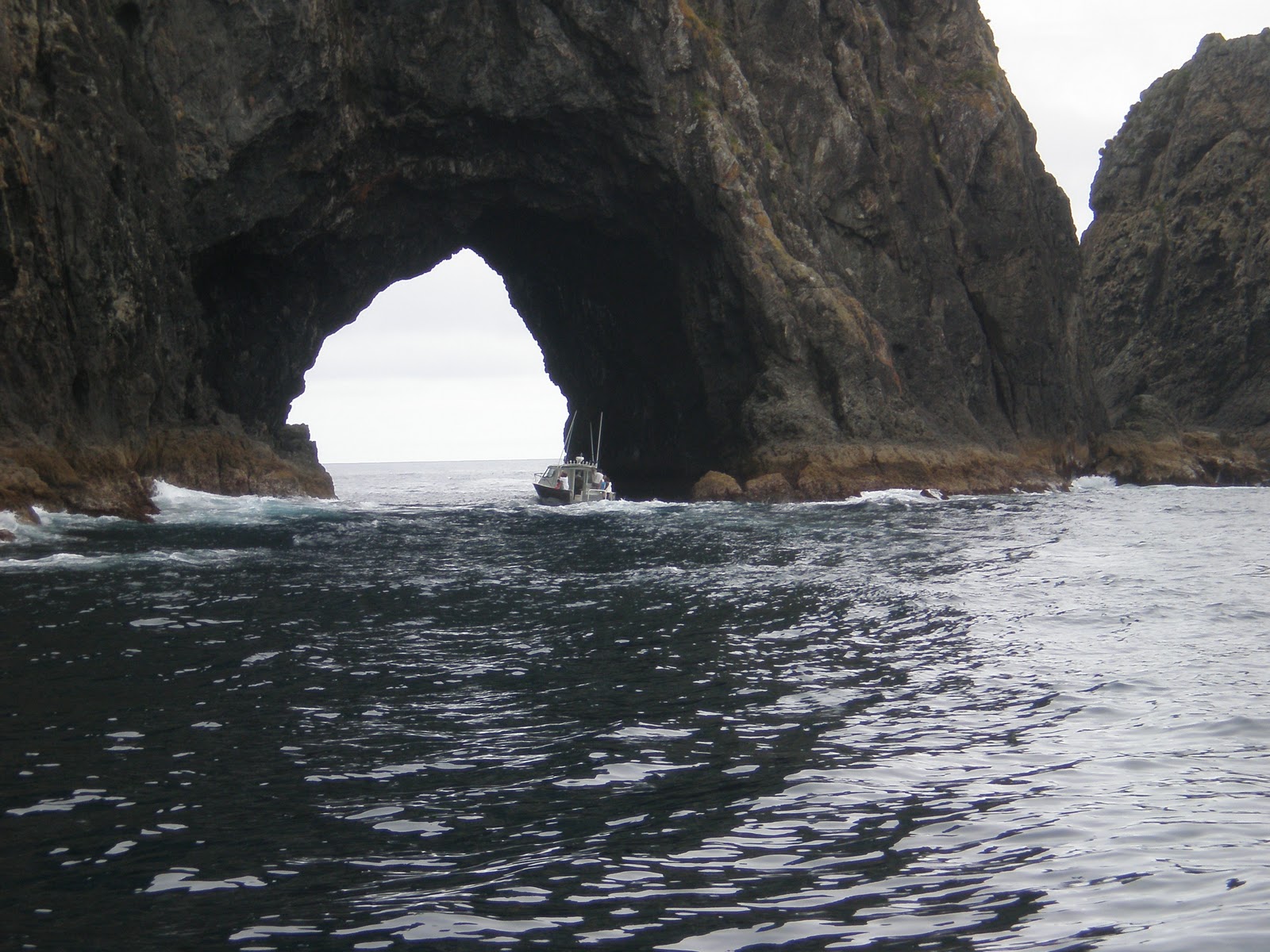
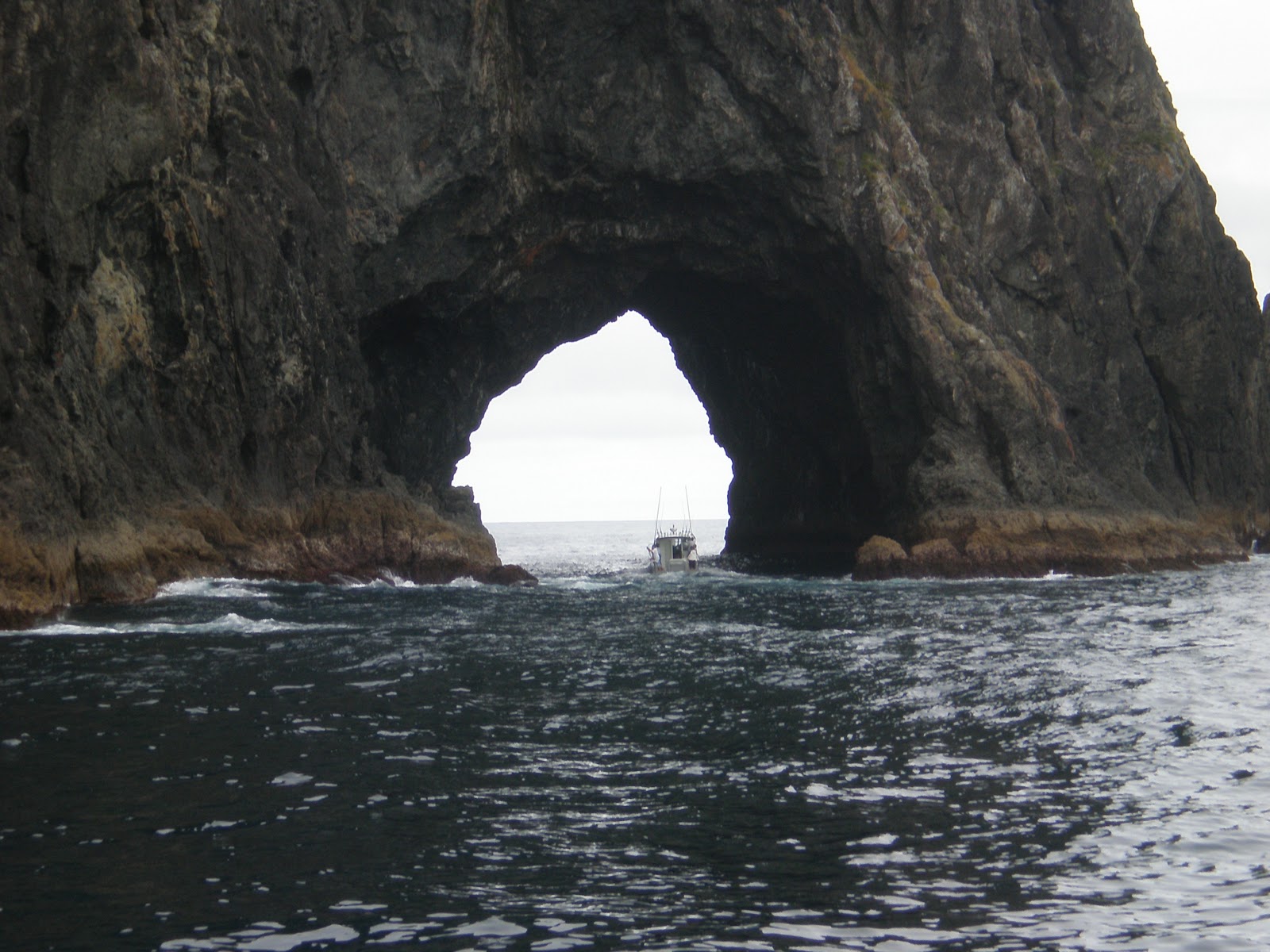
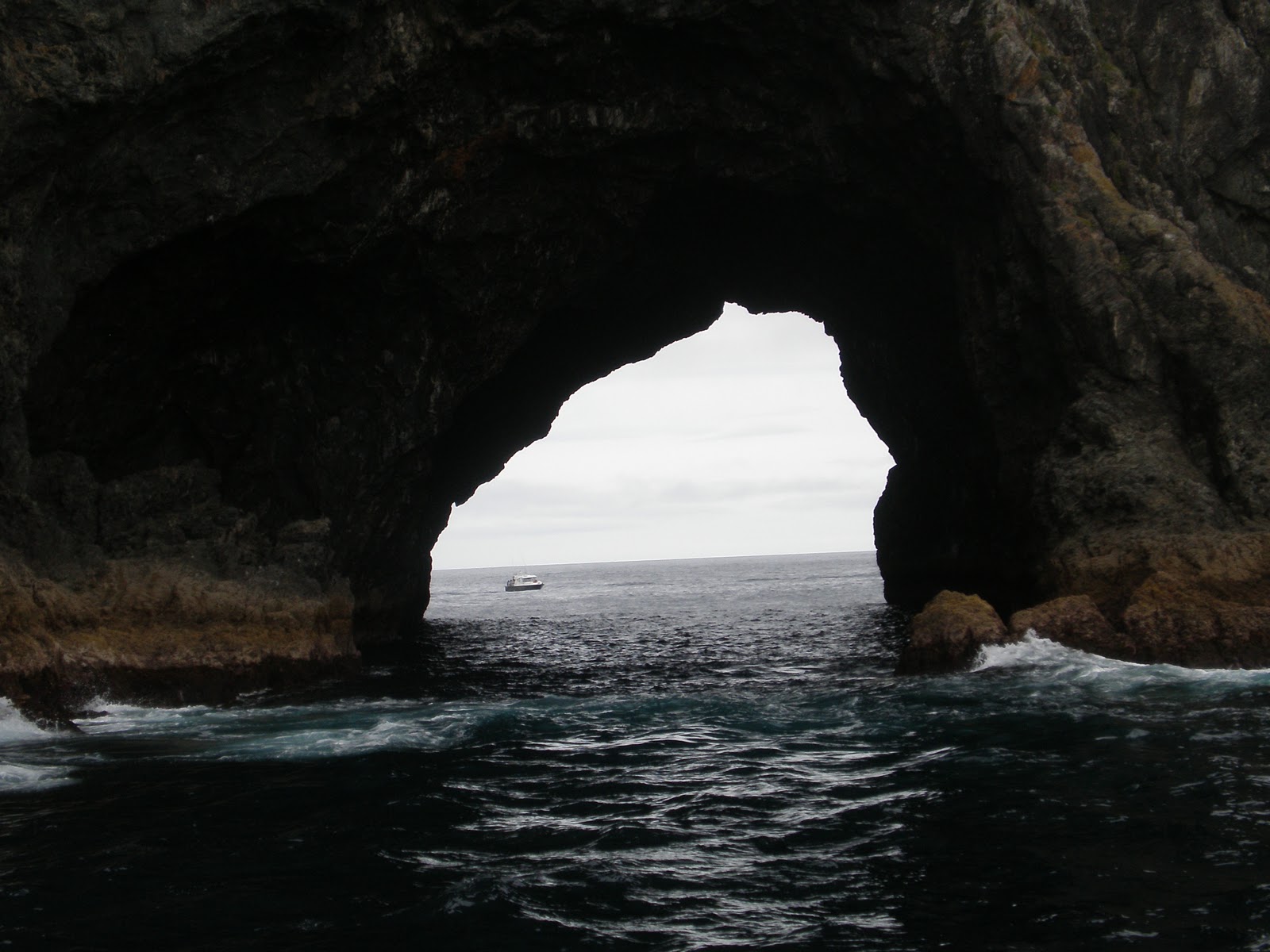
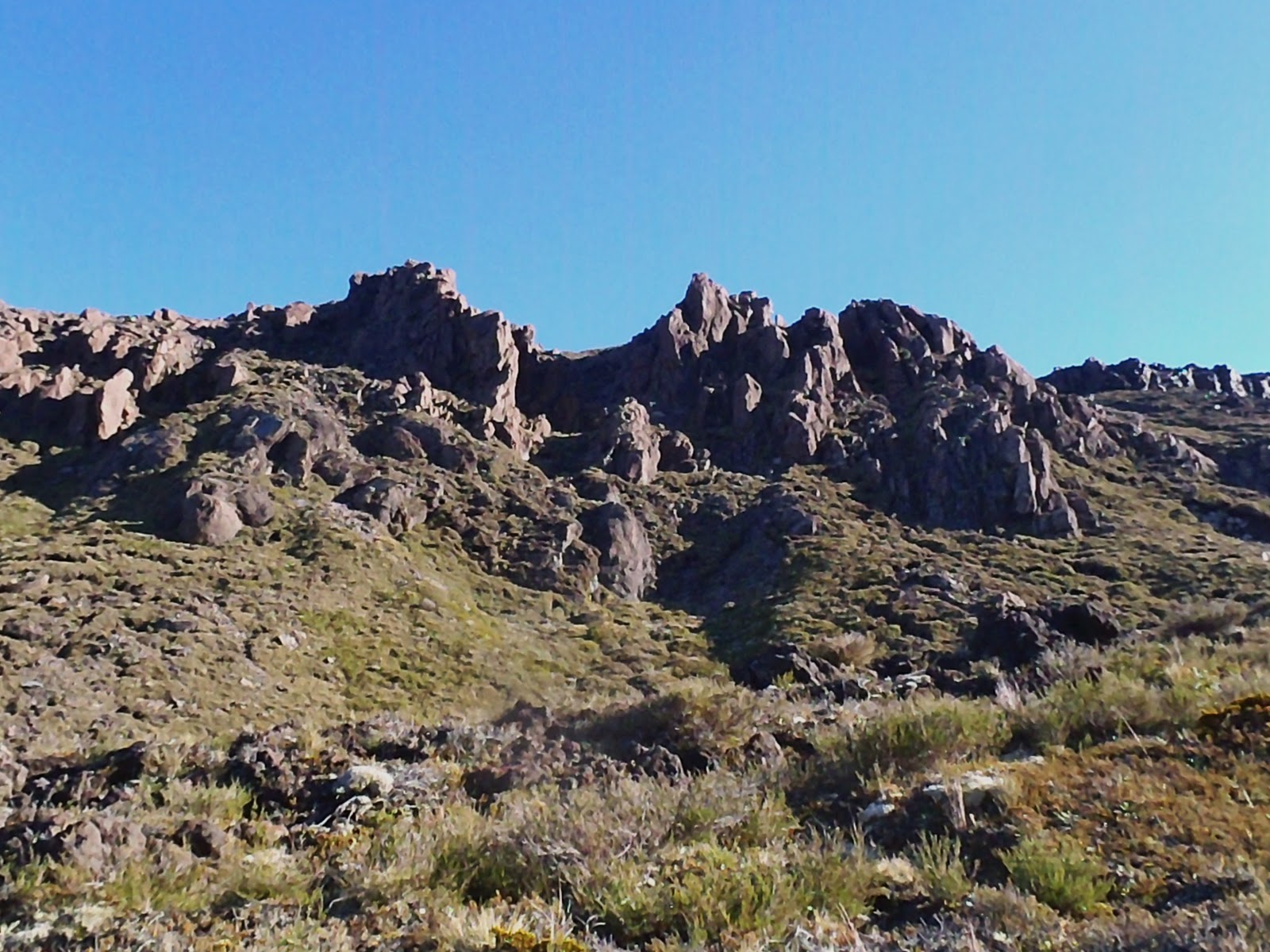
Here are a few photos from the trip(s), South Island and Northland.